


What is Renewable Energy in Environment
Renewable energy refers to power generated from natural sources that replenish themselves over time, such as sunlight, wind, water, and geothermal heat. In the environment, renewable energy plays a vital role in reducing greenhouse gas emissions, combating climate change, and preserving ecosystems. Unlike fossil fuels, these energy sources are clean, sustainable, and abundant. Understanding what is renewable energy in environment helps us see how shifting to greener power options can protect biodiversity, improve air quality, and ensure a healthier planet for generations to come. It’s a key step toward balancing human needs with environmental responsibility.
Understanding Renewable Energy
Renewable energy is energy that comes from naturally replenishing resources, which means it will never run out as long as the planet exists. The main types include solar, wind, hydropower, biomass, and geothermal energy. These sources work without releasing large amounts of carbon dioxide or other harmful pollutants, making them a vital part of environmental protection.
Types of Renewable Energy in the Environment
-
Solar Energy: Capturing sunlight through panels to generate electricity or heat.
-
Wind Energy: Using wind turbines to produce clean power.
-
Hydropower: Generating electricity from flowing water in rivers and dams.
-
Geothermal Energy: Harnessing heat from beneath the Earth’s surface.
-
Biomass Energy: Converting organic materials into fuel and electricity.
Benefits of Renewable Energy for the Environment
-
Reduced Pollution: Minimal greenhouse gas emissions compared to fossil fuels.
-
Energy Security: Local production reduces dependence on imports.
-
Sustainable Development: Meets present needs without harming future resources.
-
Climate Change Mitigation: Helps slow global warming by reducing carbon output.
Challenges in Adopting Renewable Energy
While renewable energy offers clear environmental benefits, challenges like high initial installation costs, storage technology limitations, and the need for improved infrastructure remain. However, technological advancements and government incentives are helping to overcome these barriers.
Renewable Energy and Climate Change
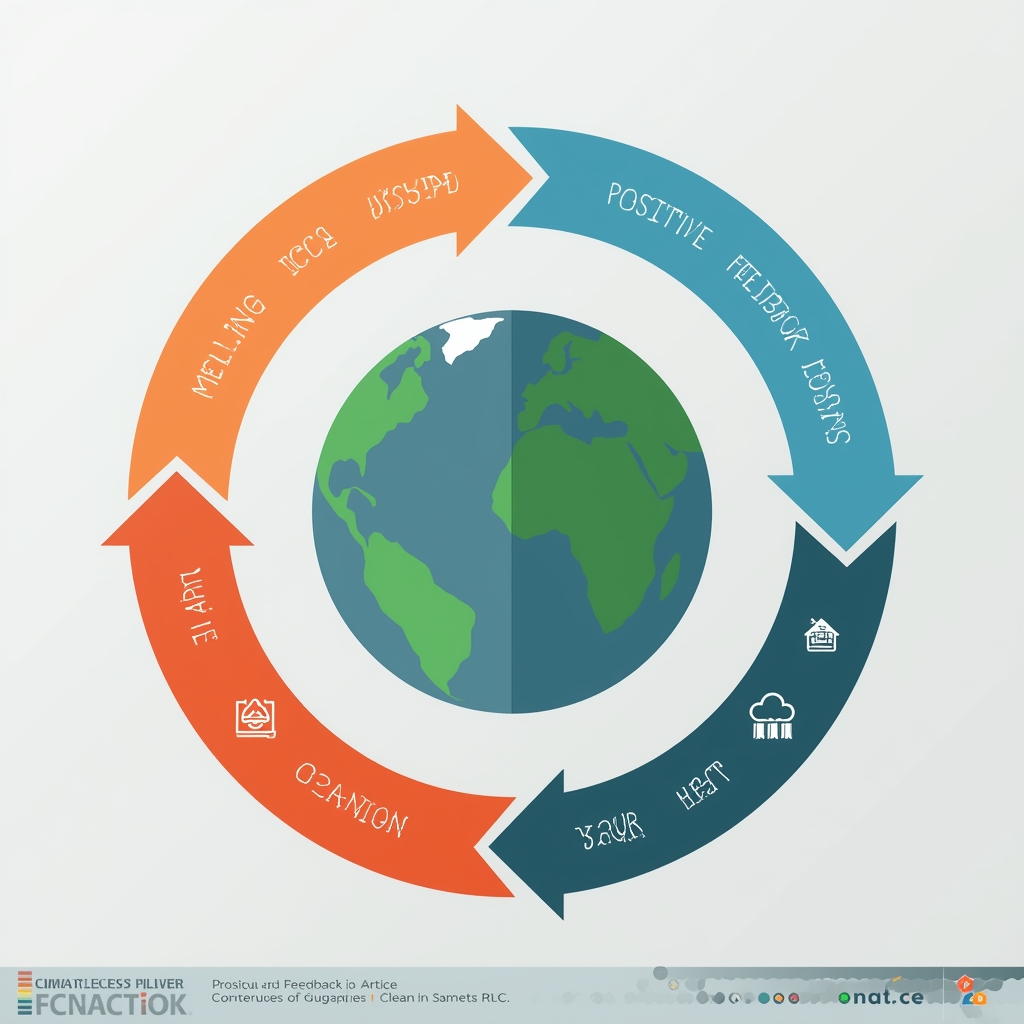
Shifting from coal, oil, and gas to renewable sources is one of the most effective ways to slow climate change. Solar and wind farms, for example, generate electricity without contributing to the greenhouse effect, helping to stabilize global temperatures and protect ecosystems.
How Individuals Can Support Renewable Energy
-
Install solar panels at home or invest in community solar projects.
-
Support green energy plans offered by utility providers.
-
Advocate for local and national clean energy policies.
-
Reduce overall energy consumption through efficiency measures.
Final Thoughts
Understanding what is renewable energy in environment is more than a science lesson—it’s a call to action. By embracing solar, wind, hydropower, and other clean sources, we can protect our environment, improve public health, and build a future where energy is both sustainable and accessible. Every choice we make—whether at home, in business, or in government—can help shift the world toward a cleaner, greener tomorrow.






One Response
Thank you for your sharing. I am worried that I lack creative ideas. It is your article that makes me full of hope. Thank you. But, I have a question, can you help me?