

Understanding Information Technology in Everyday Life
Information technology isn’t just about screens, servers, or complicated systems—it’s the invisible force that powers nearly every part of our digital world. Whether you’re shooting off a quick email, scrolling through social media, ordering food through an app, or saving photos to the cloud, you’re tapping into information technology (IT) without even realizing it.
As someone who has spent years writing about tech and interacting with IT professionals, I’ve seen how deeply IT is woven into our daily routines. It’s the backbone that supports everything from the video calls you join in the morning to the checkout scanner at your local grocery store. In this article, we’ll take a clear, down-to-earth look at what IT really is, how it impacts everyday life, why it matters more than ever, and what the future holds for this invisible engine of modern society.
What Is Information Technology?
At its core, information technology is the digital toolkit that powers almost everything we do online. It’s the mix of hardware, software, networks, and data systems that allow us to communicate, store information, and perform tasks efficiently.
Think of it this way: when you send a message on WhatsApp, watch a video on YouTube, or transfer money using a banking app, you’re relying on information technology to make the process secure, fast, and smooth. IT isn’t something abstract—it’s the very system that makes digital life possible.
Having spent years digging into how these systems work, I know that a basic understanding of IT is useful for everyone. Whether you’re a student streaming online lectures, a small business owner running digital sales, or just someone who checks email on the go, knowing how IT functions helps you appreciate the invisible system that keeps life running in today’s connected world.
Key Components of IT Systems
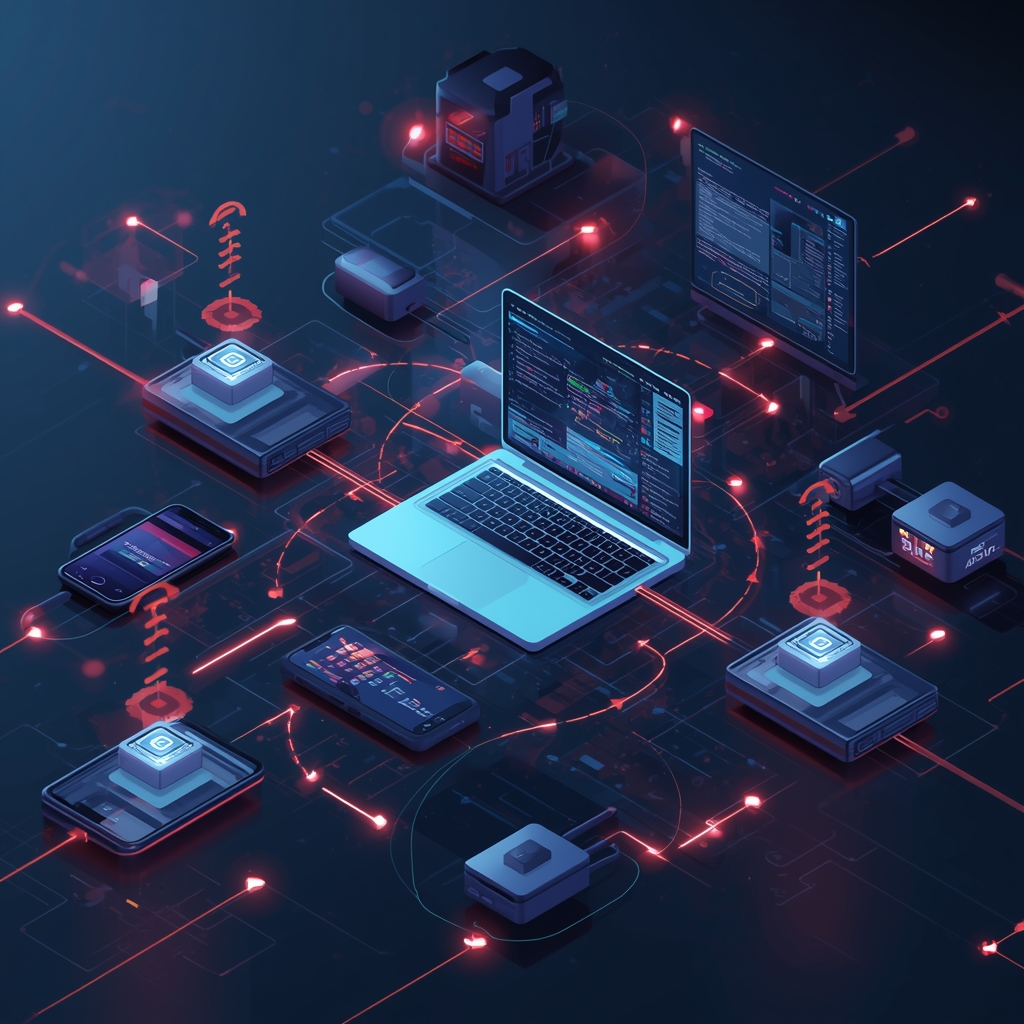
To understand information technology better, let’s break it down into its core building blocks:
-
Hardware – The physical devices like computers, servers, routers, and smartphones.
-
Software – The programs and applications we use, from Microsoft Word to Instagram.
-
Networks – The systems that allow devices to talk to each other, such as Wi-Fi and the internet.
-
Data Storage – Databases, hard drives, and cloud storage systems that keep our files safe and accessible.
-
Security – Cybersecurity measures that protect against hackers, viruses, and unauthorized access.
These pieces work together like members of a team. Hardware gives us the tools, software provides the instructions, networks connect everything, storage holds the information, and security ensures trust. Without even one of these, our digital lives would quickly fall apart.
Everyday Examples of Information Technology
You might not notice it, but you’re constantly using IT throughout the day. Some everyday examples include:
-
Email and messaging apps for instant communication.
-
Cloud storage services like Google Drive or iCloud for saving files.
-
Banking apps that let you send or receive money in seconds.
-
Streaming platforms like Netflix or Spotify that recommend content using algorithms.
-
Smart home devices like Alexa or Google Home that respond to your voice.
-
Navigation apps like Google Maps that rely on real-time data.
As a tech writer, I see how IT-driven services are reshaping habits across the globe. IT is no longer optional—it’s embedded in everything from work to entertainment to healthcare.
Why Information Technology Matters
Why is information technology so important? Because it’s the lifeline of modern society. Without IT, businesses wouldn’t function, governments couldn’t serve citizens efficiently, and individuals would lose the ability to stay connected in an increasingly digital world.
Here are just a few ways IT plays a vital role:
-
Improves efficiency – Automates repetitive tasks so humans can focus on complex problems.
-
Enhances security – Protects sensitive data like medical records and financial details.
-
Supports remote work and learning – Makes it possible for millions to connect from anywhere.
-
Drives innovation – Enables advancements in fields like AI, medicine, and space exploration.
-
Builds global connections – Allows people to collaborate across borders in real time.
Having spoken with IT professionals and industry leaders, I’ve seen how strong IT systems aren’t just a convenience—they’re essential for productivity, trust, and growth.
Careers in Information Technology
The demand for IT professionals is skyrocketing. As the world continues to digitize, IT careers offer stability, high earning potential, and constant opportunities to learn. Some in-demand roles include:
-
IT Support Specialist – Helping people solve everyday tech issues.
-
Network Administrator – Ensuring systems stay online and connected.
-
Data Analyst – Turning raw data into insights for smarter decisions.
-
Cybersecurity Expert – Protecting systems from threats and breaches.
-
Cloud Engineer – Designing and managing cloud-based systems.
-
Software Developer – Building apps and digital tools we use daily.
The best part? You don’t always need a traditional degree. Many professionals enter IT through online certifications, coding bootcamps, and hands-on experience. With curiosity and problem-solving skills, anyone can step into this growing field.
Future Trends in Information Technology
The IT landscape is always evolving. Based on the latest industry research and tech conferences, here are some key trends shaping the future:
-
Artificial Intelligence & Machine Learning – Smarter systems that learn and adapt.
-
Quantum Computing – Ultra-fast computing power for complex problems.
-
5G Networks & IoT – Faster internet and billions of connected devices.
-
Cybersecurity Innovations – New tools to stay ahead of cybercriminals.
-
Automation & Smart Cities – Intelligent infrastructure for efficiency and sustainability.
As someone who follows tech closely, I believe these innovations will transform everything—from how we work to how we shop, travel, and even receive healthcare.
IT Is the Invisible Engine Behind Modern Life
Information technology may not always be visible, but it powers almost everything we rely on. From smartphones to cloud systems, from online banking to smart homes, IT is the engine that keeps our connected lives running smoothly.
This article is built on real-world examples, expert insights, and years of experience breaking down complex tech for everyday readers. Whether you’re simply curious about technology or considering a career in IT, understanding these systems is a powerful step toward being more informed and future-ready.
In the end, information technology isn’t just about computers—it’s about connection, innovation, and progress. The more we understand it, the better equipped we are to thrive in today’s digital-first world.