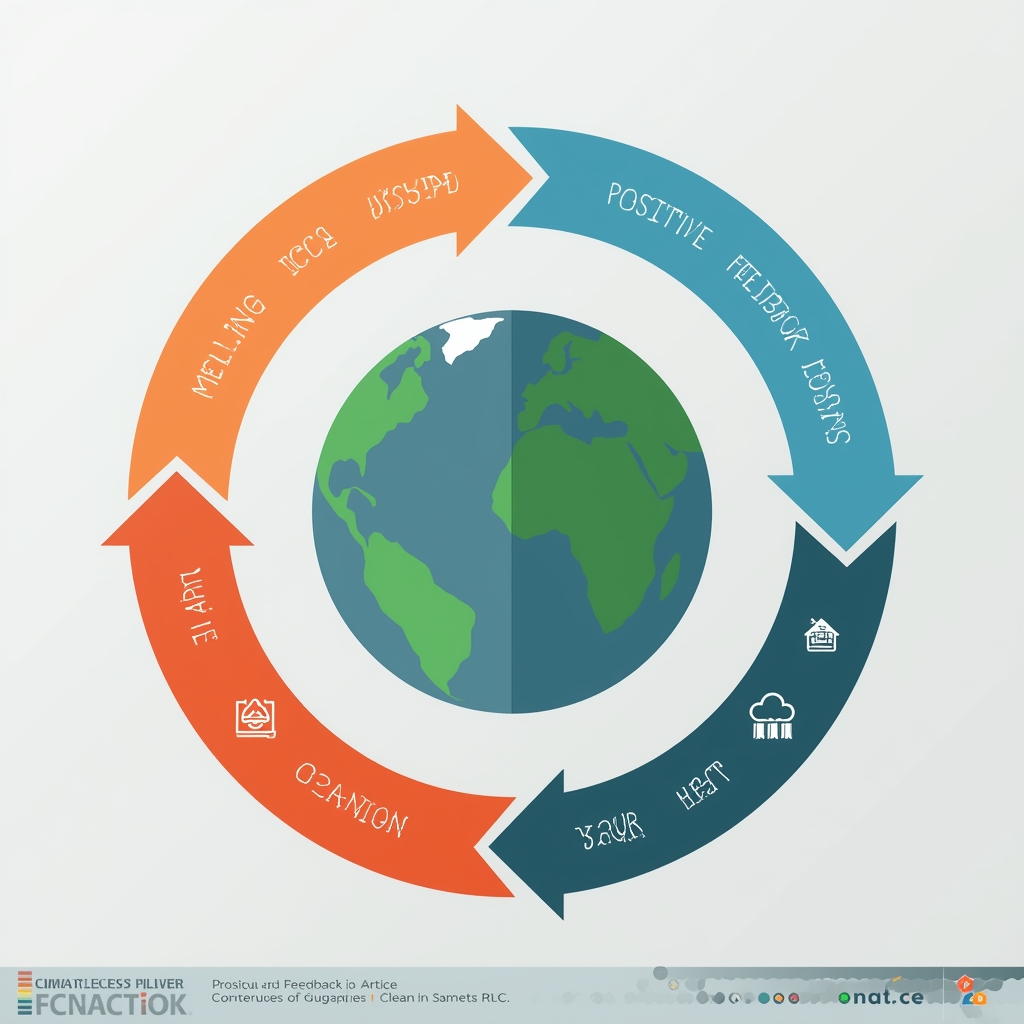


What is an Ecosystem in Environmental Science
An ecosystem in environmental science is a community of living organisms—plants, animals, and microorganisms—interacting with each other and their physical environment, like air, water, and soil. These interactions form a balanced system where every part has a role to play. In environmental science, ecosystems are studied to understand how nature functions, how energy flows, and how human actions can affect environmental stability. From lush forests to urban green spaces, ecosystems are essential for providing clean air, water, food, and a stable climate. Learning what is an ecosystem in environmental science helps us protect and preserve these vital natural systems.
Understanding the Concept of Ecosystems
Ecosystems can be small, like a pond, or vast, like a desert. They include biotic components (living things) and abiotic components (non-living things such as sunlight, temperature, and minerals). Environmental science focuses on studying these interactions to ensure that human activities do not disrupt the delicate balance of nature.
Types of Ecosystems
-
Terrestrial Ecosystems: Forests, grasslands, tundras, and deserts.
-
Aquatic Ecosystems: Freshwater (rivers, lakes) and marine (oceans, coral reefs).
-
Urban Ecosystems: Green parks, rooftop gardens, and city landscapes.
Importance of Ecosystems in Environmental Science
-
Maintain biodiversity by supporting various species.
-
Regulate climate and weather patterns.
-
Provide essential resources like water, food, and raw materials.
-
Help recycle nutrients and purify air and water.
Ecosystem Balance and Threats
Ecosystem balance occurs when species and environmental factors coexist in harmony. However, threats like pollution, deforestation, climate change, and overexploitation can disrupt this balance, leading to loss of biodiversity and environmental degradation.
Role of Humans in Protecting Ecosystems
Humans play a major role in ecosystem health. Practices like sustainable agriculture, renewable energy use, waste reduction, and reforestation can protect ecosystems. Environmental science offers tools and strategies to restore damaged ecosystems and ensure long-term sustainability.
Final Thoughts
Understanding what is an ecosystem in environmental science is key to appreciating the interconnectedness of life. Every plant, animal, and microorganism has a purpose in maintaining balance. Protecting ecosystems is not only about conserving nature—it’s about safeguarding the resources and services that all living beings depend on. By making responsible choices today, we help secure a healthier, more resilient planet for future generations.