


What Are the Advantages and Disadvantages of Technology?
What are the advantages and disadvantages of technology? It’s a question that affects everyone—from how we work and learn to how we connect and unwind. With over 15 years of researching technology’s social, economic, and ethical impacts, I offer a balanced exploration rooted in evidence and real-life observation. Modern technology delivers sweeping benefits of technology as improved efficiency, global communication, medical breakthroughs, and access. Yet it also comes with real drawbacks of technology—including privacy risks, technostress, automation concerns, and environmental tolls. Let’s dive in.
Advantages of Technology
Enhanced Productivity & Efficiency
Technology streamlines tasks—emails, remote meetings, automated workflows—it lets people do more in less time, whether working or learning remotely ([turn0search4]). Cloud tools like Google Suite amplify collaboration across continents.
Global Communication & Access to Information
Emails, instant messaging, and social media make it easier than ever to stay connected. The internet puts information at your fingertips, expanding educational and career access worldwide.
Advances in Healthcare & Education
From telemedicine to diagnostic AI, modern tech saves lives and widens access to medical care. E-learning platforms, virtual libraries, and interactive tools bring education to remote or underserved communities.
Economic Growth & Job Creation
Tech drives innovation—fueling startups, smart manufacturing, IoT, and digital services. These create new industries and opportunities, though they also shift workforce demand.
Automation of Repetitive Work
Automation increases consistency and safety in jobs like manufacturing or data processing while freeing humans for more creative, high-level tasks ([turn0search47]turn0search0]).
Disadvantages of Technology
Privacy and Security Concerns
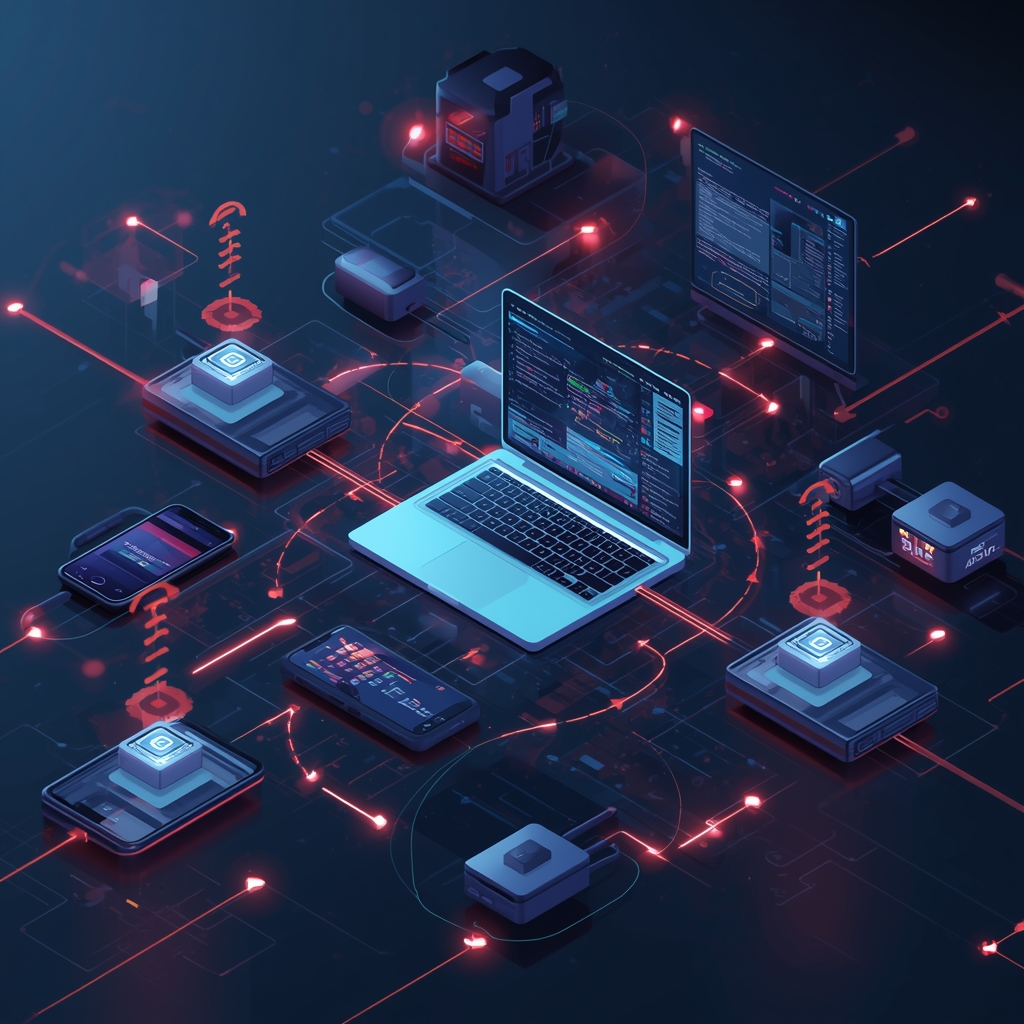
As we embed technology into daily life, data breaches, surveillance, and identity theft become real threats. Smart devices open new vulnerabilities in both personal and professional domains.
Technostress & Mental Overload
The pressure to stay connected, multitask, and respond instantly can lead to technostress—a modern psychological burden impacting productivity and well-being.
Social Isolation & Reduced Face-to-Face Interaction
Although mediated communication helps connect us, it can also reduce real-world interaction. People report feeling more anxious and less socially grounded as screen time rises.
Digital Divide & Equity Gaps
Access to technology remains uneven—creating inequality in education, job readiness, and health access. Marginalized groups often struggle to keep pace with rapid digital change.
Job Displacement by Automation
While automation boosts productivity, it also displaces roles in manufacturing, retail, and data processing. Communities and policymakers must address reskilling and workforce shifts proactively.
Environmental Impact
Technology generates electronic waste, consumes energy, and contributes to climate change. The lifecycle of devices—from mining to disposal—has real ecological costs
Balancing Pros & Cons: Best Practices
-
Embrace digital wellness by scheduling breaks, limiting screen time, and setting boundaries to manage technostress.
-
Prioritize privacy-first tools, use encrypted platforms, and understand data permissions to protect personal safety.
-
Support equity initiatives: ensure access to devices and broadband for underserved communities.
-
Promote lifelong learning and reskilling, especially for roles at risk of automation.
-
Foster policies around responsible tech development and e-waste recycling to minimize environmental footprint.
Can technology be both useful and harmful?
Yes—its advantages are undeniable, but the drawbacks demand mindful use. A balanced approach ensures technology empowers rather than overwhelms.
Is technostress real?
Absolutely. Studies show constant connectivity can impair mental health. Structured use and boundaries help mitigate its impact ([turn0search44]).
Does automation always cause job loss?
Automation often displaces some tasks, but it also creates new roles. Strategic policy and worker adaptation are key to positive outcomes.
How can we minimize environmental harm from tech?
Support devices with better recyclability, adopt sustainable practices, and encourage legislation targeting e-waste reduction.
I’m a technology researcher and journalist with over fifteen years studying how tech reshapes society, from healthcare and education to ethics and economics. I analyze trends in automation, digital communication, and human well-being through peer-reviewed research, expert dialogue, and real-world case studies. My writing aims to offer trustworthy, balanced, actionable insight that helps you navigate technology’s benefits—and its trade‑offs—with clarity and confidence.
Conclusion
What are the advantages and disadvantages of technology? The answer is nuanced: we gain efficiency, access, innovation, and economic growth—but face challenges like privacy, mental stress, automation, and inequality. By understanding both sides and applying balanced practices, we can maximize technology’s benefits while mitigating its risks.
Let me know if you’d like deep dives into specific sectors—like tech ethics, AI impact on careers, or digital wellness strategies—and I’d be glad to help!




One Response
Thank you for your sharing. I am worried that I lack creative ideas. It is your article that makes me full of hope. Thank you. But, I have a question, can you help me?