


How to Stop Global Warming – Practical Ways to Protect Our Planet
Introduction
How to stop global warming is a question that concerns scientists, activists, and everyday people alike. The rising temperatures, melting ice caps, and extreme weather patterns are clear warnings from our planet. While global warming is a huge challenge, it’s not impossible to tackle. Through conscious lifestyle changes, community action, and smart policies, we can slow down climate change and create a healthier future for generations to come. In this guide, we’ll explore effective strategies, from reducing carbon emissions to supporting renewable energy, that anyone can adopt to make a difference.
Understanding the Causes of Global Warming
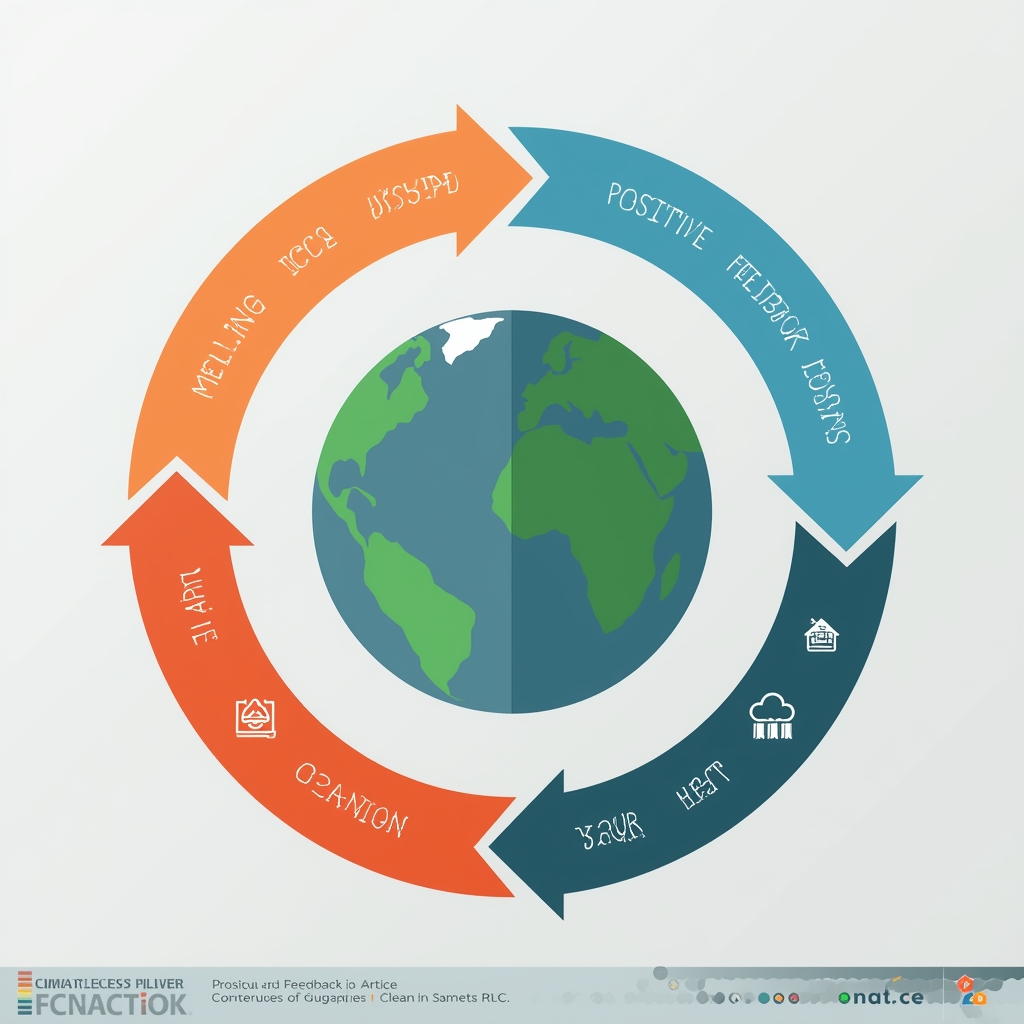
Before we can stop global warming, we need to understand what fuels it. The main culprit is the excessive emission of greenhouse gases like carbon dioxide, methane, and nitrous oxide. These gases trap heat in the atmosphere, leading to a gradual rise in global temperatures. Burning fossil fuels for energy, large-scale deforestation, industrial activities, and intensive agriculture all contribute to this crisis. Recognizing these causes helps us identify where to take action—whether that’s choosing cleaner energy sources, protecting forests, or changing consumption habits.
Why Stopping Global Warming Matters
Stopping global warming is not just about saving polar bears or icebergs—it’s about protecting human life, food security, and economic stability. If left unchecked, global warming could lead to more severe droughts, stronger hurricanes, rising sea levels, and mass species extinction. These changes would disrupt agriculture, force mass migrations, and put immense pressure on global economies. By acting now, we protect not only the environment but also our health, jobs, and future generations.
Switching to Renewable Energy Sources
One of the most powerful ways to stop global warming is to reduce our reliance on fossil fuels. Renewable energy—like solar, wind, hydro, and geothermal power—produces little to no greenhouse gases. Transitioning to these clean energy sources can significantly cut carbon emissions. Governments, businesses, and individuals can all support this shift by investing in green energy, installing solar panels, and advocating for policies that promote sustainable power solutions.
Reducing Carbon Footprint in Daily Life
Every small change in our daily habits can add up to a big impact on global warming. Using public transportation, walking, or cycling instead of driving alone reduces fuel consumption. Choosing energy-efficient appliances, switching off unused electronics, and adopting plant-based meals can further lower emissions. Even conscious shopping—buying fewer but better-quality items—reduces waste and production-related emissions.
Protecting and Restoring Forests
Forests are nature’s carbon sinks, absorbing massive amounts of CO₂ from the atmosphere. Unfortunately, deforestation destroys this natural climate defense. To stop global warming, we must protect existing forests and restore degraded lands. Supporting sustainable forestry, planting trees, and avoiding products linked to deforestation—such as certain palm oil and soy products—can all make a difference.
Supporting Sustainable Agriculture
Agriculture is both a victim and a contributor to global warming. Practices like excessive fertilizer use, livestock farming, and land clearing release greenhouse gases. By supporting sustainable farming—such as organic agriculture, crop rotation, and regenerative practices—we can reduce emissions while protecting soil health and biodiversity.
Advocating for Climate-Friendly Policies
Individual action is important, but large-scale change happens when governments and institutions commit to climate action. Voting for leaders who prioritize sustainability, supporting carbon pricing policies, and pushing for stricter emission regulations can accelerate global warming prevention efforts.
Educating and Inspiring Others
The fight against global warming grows stronger when more people join in. Sharing knowledge, participating in community initiatives, and inspiring friends and family to adopt eco-friendly habits can multiply the impact of your own actions.
Conclusion
Knowing how to stop global warming is only the first step—taking action is what truly matters. From switching to renewable energy to protecting forests and supporting sustainable agriculture, every effort counts. The climate crisis may feel overwhelming, but together, through small daily changes and collective advocacy, we can slow global warming and create a thriving planet for generations to come.






2 Responses
Your article helped me a lot, is there any more related content? Thanks!
Your article helped me a lot, is there any more related content? Thanks!