

AI Education Explainers for US Students
Introduction
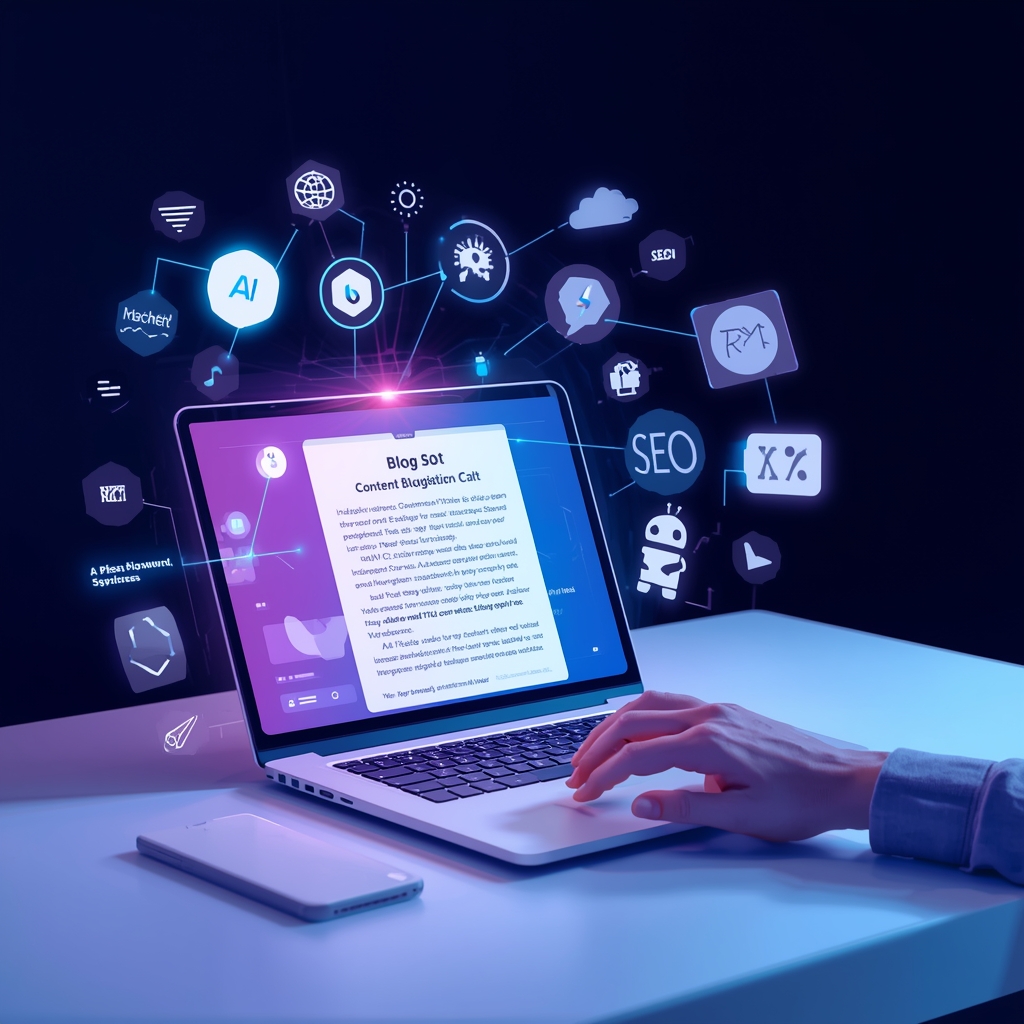
AI education explainers for US students are making it easier than ever to understand artificial intelligence in a simple, approachable way. Whether you’re a high school student curious about AI careers or a college learner diving into machine learning basics, these explainers break down complex topics into bite-sized lessons. From interactive videos to hands-on coding exercises, AI learning is no longer reserved for experts — it’s accessible to anyone willing to explore. In classrooms and online platforms across the United States, these tools are shaping a generation ready to lead in the world of intelligent technology.
Why AI Education Matters for US Students
Artificial intelligence is already part of our everyday lives — from voice assistants to recommendation systems — and its influence will only grow. For US students, learning AI isn’t just about future job opportunities; it’s about understanding the technology that shapes modern society. AI education explainers help students grasp concepts like algorithms, data ethics, and automation without feeling overwhelmed. This knowledge prepares them for STEM careers, improves problem-solving skills, and fosters digital literacy, ensuring they’re not just tech consumers but informed contributors to the AI-driven world.
Popular AI Education Explainers and Tools in the USA
Across the US, students have access to a wide range of resources for learning AI:
-
Interactive AI tutorials that use real-world examples.
-
Machine learning coding platforms like Google Teachable Machine.
-
Gamified learning apps that make AI concepts fun.
-
Video explainers covering AI history, ethics, and applications.
-
Project-based learning kits for creating simple AI models.
By using these resources, students can experiment, build projects, and see AI in action — which is far more engaging than reading about it in theory.
How AI Explainers Help Students Learn Faster
The best AI education explainers for US students are designed to be interactive, visually appealing, and easy to follow. Instead of reading a textbook chapter on neural networks, a student might watch a short animation that shows how they work. Instead of memorizing terms, learners can train a simple AI to recognize images or text. This hands-on and visual approach improves retention, boosts confidence, and makes AI feel less intimidating. It also encourages curiosity, motivating students to explore advanced topics over time.
Overcoming Challenges in Learning AI
While AI education is becoming more accessible, US students may face challenges like lack of school resources, limited access to high-end computers, or difficulty finding beginner-friendly content. Fortunately, many AI learning platforms offer free cloud-based tools that work on basic laptops. Teachers can also integrate AI modules into existing STEM lessons without overloading the curriculum. Encouraging collaborative learning — where students work in groups on AI projects — can also make the subject less overwhelming and more engaging.
The Future of AI Education for US Students
The future of AI education explainers will focus on personalization and accessibility. AI-powered tutoring systems could adapt lessons to match a student’s pace, while immersive VR experiences could let them “step inside” a neural network to see how data flows. Schools will likely offer AI literacy as a standard subject, just like math or science, giving every student the skills to thrive in a tech-driven society. By learning AI early, US students can become innovators, creators, and ethical leaders in the digital era.
Conclusion
AI education explainers for US students are transforming how young people understand and engage with one of the most important technologies of our time. By offering clear explanations, interactive tools, and real-world projects, they turn complex concepts into exciting learning opportunities. With continued investment in accessible resources and teacher training, US classrooms can equip students with the AI skills needed to shape a smarter, more responsible future.