
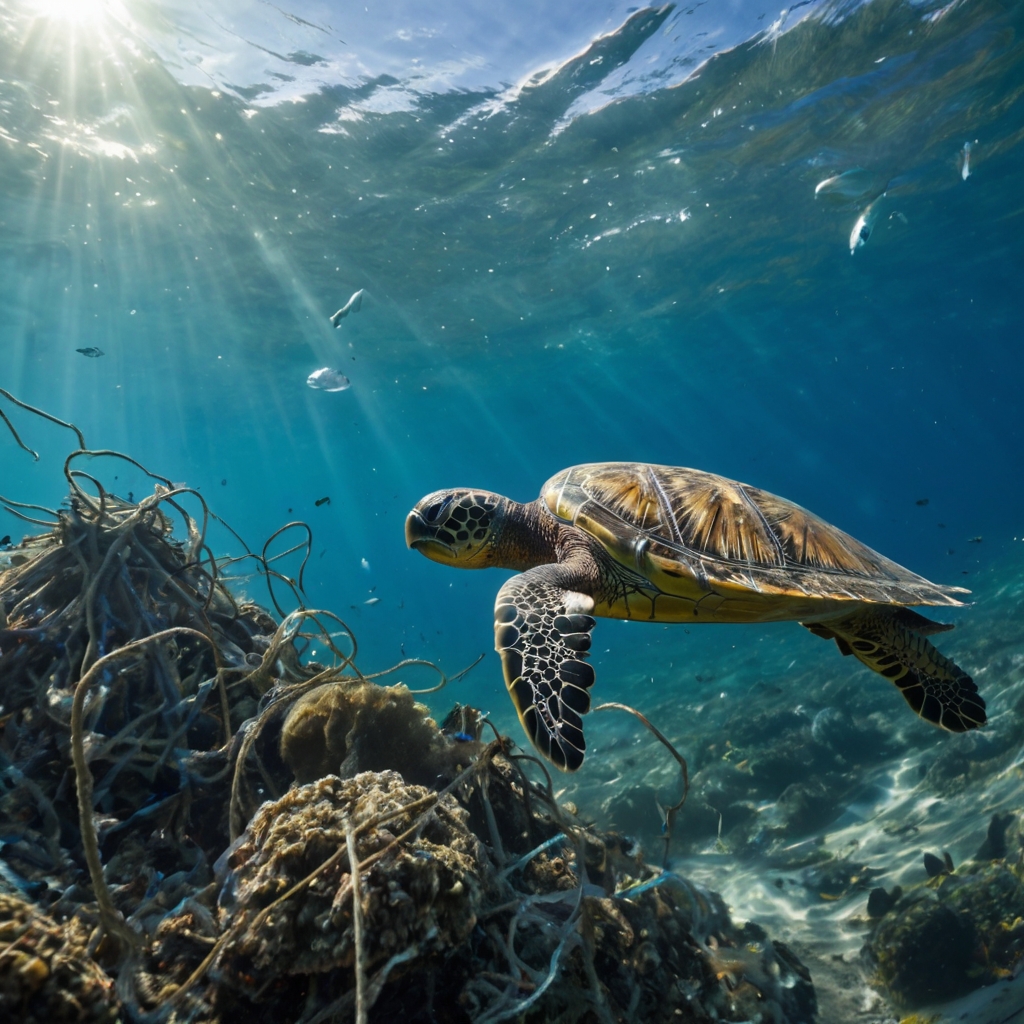

What is Water Pollution in Environment
Water pollution in the environment happens when harmful substances enter rivers, lakes, oceans, or groundwater, making the water unsafe for drinking, farming, fishing, or recreation. These pollutants can come from factories, farms, sewage systems, and even everyday household waste. Understanding what is water pollution in environment is crucial because clean water is essential for all living beings. When water sources are contaminated, it affects not just human health, but also wildlife and entire ecosystems. Addressing water pollution is one of the most important steps toward protecting our planet’s future.
Understanding the Concept of Water Pollution
Water pollution occurs when physical, chemical, or biological contaminants degrade water quality. These pollutants can be visible, like plastic waste floating in rivers, or invisible, like harmful bacteria or dissolved toxic chemicals. Once polluted, water becomes unsafe and often requires expensive treatment before it can be used again.
Main Causes of Water Pollution in Environment
-
Industrial Discharge: Factories release chemicals, heavy metals, and waste into nearby water bodies.
-
Agricultural Runoff: Pesticides, fertilizers, and animal waste wash into streams and rivers.
-
Sewage and Wastewater: Untreated or poorly treated sewage contaminates water with harmful pathogens.
-
Oil Spills: Large-scale spills and leaks pollute oceans and coastal waters.
-
Plastic Waste: Single-use plastics break down into microplastics that harm marine life.
Effects of Water Pollution on Health
-
Waterborne Diseases: Cholera, dysentery, and typhoid spread through contaminated water.
-
Toxic Exposure: Long-term exposure to polluted water can cause liver, kidney, and neurological damage.
-
Malnutrition: Polluted water affects crop irrigation and fish populations, reducing food supply.
-
Child Health Risks: Children are especially vulnerable to illness from unsafe water.
Environmental Impact of Water Pollution
-
Loss of Aquatic Life: Fish and other species die from lack of oxygen or toxic exposure.
-
Ecosystem Imbalance: Pollution disrupts food chains and natural habitats.
-
Dead Zones: Excess nutrients cause algae blooms that deplete oxygen in water.
-
Coral Reef Damage: Pollutants weaken coral reefs, making them more vulnerable to bleaching.
Solutions to Reduce Water Pollution
-
Treat industrial and municipal wastewater before release.
-
Promote sustainable farming to reduce fertilizer and pesticide runoff.
-
Ban single-use plastics and encourage recycling.
-
Strengthen laws protecting water quality.
-
Educate communities on the importance of clean water practices.
Why Addressing Water Pollution Matters
Water is the foundation of life. Tackling water pollution in the environment ensures safe drinking water, healthy ecosystems, and sustainable agriculture. Every effort—whether reducing plastic use, supporting eco-friendly policies, or improving wastewater treatment—brings us closer to cleaner, safer water sources.
Final Thoughts
Understanding what is water pollution in environment is more than a scientific lesson—it’s a call to action. Clean water is a shared resource and a shared responsibility. By making mindful choices and supporting environmental protection measures, we can protect water for ourselves and future generations.






One Response
Your point of view caught my eye and was very interesting. Thanks. I have a question for you.