
What Is Asset Finance? Explained for Beginners – A Complete, Step-by-Step Guide
Every business—big or small—relies on tools, equipment, or vehicles to operate. For some, it’s a laptop and phone. For others, it’s delivery vans, machinery, or advanced IT systems. But here’s the problem: buying these assets outright can be expensive, especially when cash flow is tight.
This is where What Is Asset Finance? Explained for Beginners becomes an essential question.
Asset finance helps businesses access the assets they need without paying the full cost upfront. Instead of draining savings, businesses spread the cost over time—making growth possible without financial strain.
In this complete guide, we’ll break everything down step by step, using everyday language, real-world examples, and practical advice—so even if you’ve never heard of asset finance before, you’ll walk away confident and informed.
What Is Asset Finance? Explained for Beginners in Simple Terms
Asset finance is a type of business funding that allows companies to buy or use equipment, vehicles, or machinery by paying in monthly installments instead of one large upfront payment.
In most cases:
-
The lender buys the asset
-
The business uses it
-
The business pays over time (with interest)
-
Ownership may transfer at the end, depending on the agreement
Think of it like a mortgage for business equipment.
Instead of saving for years to buy something outright, asset finance lets you start using the asset immediately while paying gradually.
Helpful external resource:
Why Asset Finance Matters for Small and Growing Businesses
Let’s imagine a simple scenario.
A bakery wants to buy a new oven that costs $40,000. Paying that upfront would wipe out its emergency funds. Without the oven, however, the bakery can’t grow.
This is where asset finance becomes a bridge between ambition and affordability.
Key reasons businesses use asset finance
-
To protect cash flow
-
To upgrade outdated equipment
-
To scale operations faster
-
To avoid large one-time expenses
According to financial experts, asset finance is often preferred because it’s faster and more flexible than traditional business loans.
Source: https://www.british-business-bank.co.uk
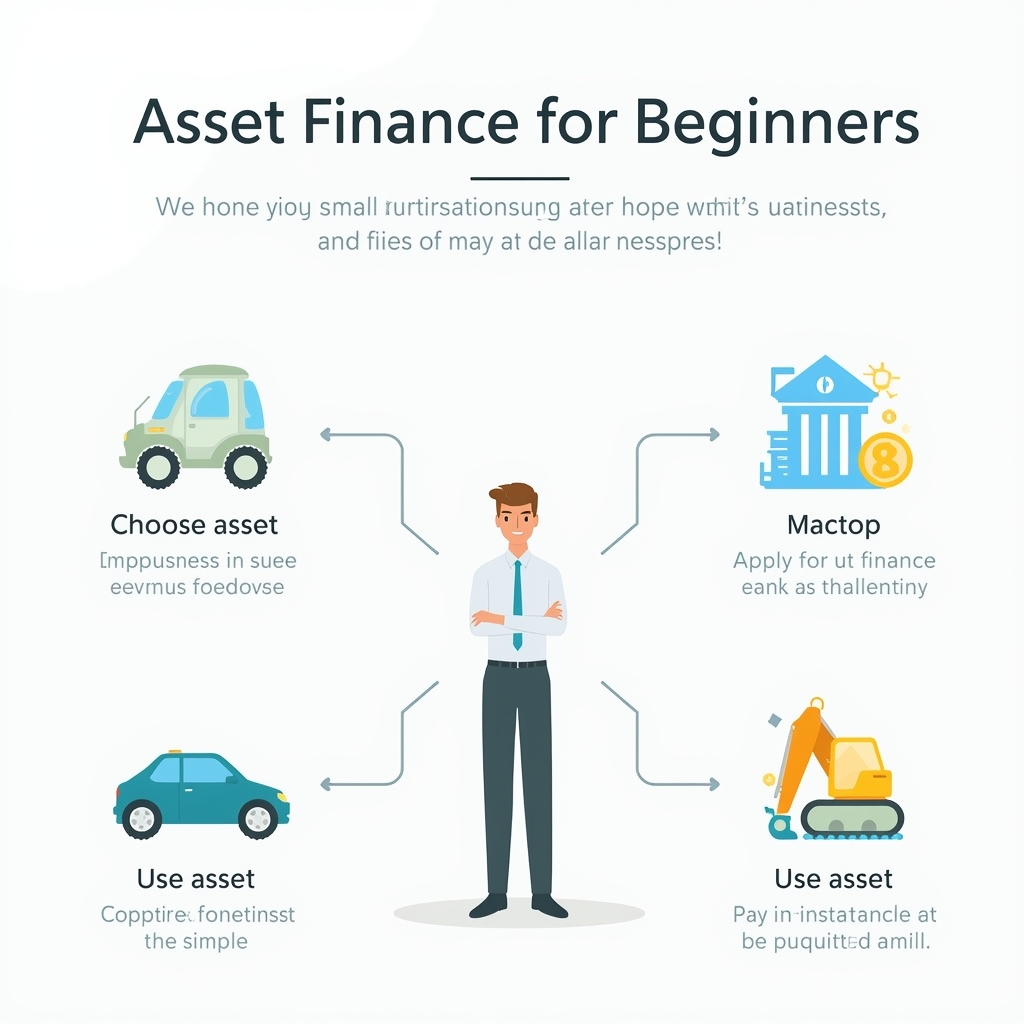
How Asset Finance Works – A Step-by-Step Beginner Guide
Understanding how asset finance works is easier when broken into simple steps.
Step 1: Identify the Asset You Need
This could be:
-
Vehicles
-
Machinery
-
IT equipment
-
Manufacturing tools
-
Medical or office equipment
Step 2: Choose the Right Type of Asset Finance
Different assets suit different finance options (explained in detail later).
Step 3: Apply Through a Lender or Broker
Lenders assess:
-
Business stability
-
Asset value
-
Repayment affordability
Unlike traditional loans, credit history is not always the main factor.
Step 4: Asset Is Purchased
The lender buys the asset on your behalf.
Step 5: You Use the Asset and Repay Monthly
Payments are fixed and predictable—great for budgeting.
Step 6: End of Agreement
You may:
-
Own the asset
-
Continue leasing
-
Return or upgrade it
Types of Asset Finance Explained for Beginners
Hire Purchase – Asset Finance with Ownership
With hire purchase, you:
-
Pay a small deposit
-
Make monthly payments
-
Own the asset at the end
This is ideal if long-term ownership matters.
External reading:
https://www.investopedia.com/terms/h/hirepurchase.asp
Finance Lease – Asset Finance Without Ownership
In a finance lease:
-
You rent the asset long-term
-
You don’t automatically own it
-
You may extend, sell, or return it at the end
This works well for assets that lose value quickly.
Operating Lease – Flexible Asset Finance for Short-Term Use
An operating lease is similar to renting:
-
Lower monthly payments
-
Maintenance often included
-
Easy upgrades
Perfect for technology and vehicles.
Source:
https://www.accountingtools.com/articles/operating-lease
Asset Refinance – Using Existing Assets for Cash
Already own valuable equipment?
Asset refinance lets you:
-
Borrow against assets you already own
-
Unlock working capital
-
Improve cash flow
Learn more:
https://www.investopedia.com/terms/a/assetbasedlending.asp
Asset Finance vs Traditional Business Loans
| Feature | Asset Finance | Traditional Loan |
|---|---|---|
| Security | Asset itself | Credit & guarantees |
| Speed | Faster | Slower |
| Purpose | Asset-specific | Flexible |
| Cash flow impact | Lower | Higher |
This makes asset finance especially beginner-friendly.
Benefits of Asset Finance for Beginners
Improved Cash Flow
Instead of large expenses, payments are spread over time.
Faster Business Growth
You can act on opportunities immediately.
Tax Efficiency
Interest payments are often tax-deductible.
Source: https://www.gov.uk/capital-allowances
No Extra Collateral Required
The asset itself acts as security.
Risks of Asset Finance You Should Understand
While helpful, asset finance has risks.
You May Not Own the Asset Immediately
Ownership depends on the agreement.
Long-Term Commitment
Contracts often last several years.
Repossession Risk
Missing payments could mean losing the asset.
Understanding these risks helps beginners make smarter decisions.
Who Is Eligible for Asset Finance?
Most businesses qualify, including:
-
Startups
-
Sole traders
-
SMEs
-
Limited companies
What matters most is affordability, not perfection.
Helpful resource:
https://www.fca.org.uk
How to Choose the Right Asset Finance Provider
When choosing a lender:
-
Compare interest rates
-
Read contract terms carefully
-
Check industry experience
-
Consider using a broker
Broker guide:
https://www.financialbroker.co.uk
Common Beginner Mistakes to Avoid in Asset Finance
-
Over-financing assets
-
Ignoring maintenance responsibilities
-
Not reading exit clauses
-
Choosing the cheapest option blindly
Is Asset Finance Right for You? Final Thoughts
If you’re asking What Is Asset Finance? Explained for Beginners, the short answer is this:
Asset finance is one of the smartest ways for businesses to grow without risking financial stability.
It offers flexibility, preserves cash flow, and makes expensive assets accessible—even for beginners.
However, like any financial decision, it works best when:
-
You understand the terms
-
You choose the right product
-
You plan repayments carefully
When used wisely, asset finance isn’t debt—it’s leverage for growth.