
What Are the 7 Elements of Risk Management? A Complete Guide for Businesses and Professionals
If you’ve ever asked yourself, “What are the 7 elements of risk management?”, you’re already thinking like a smart business leader. Whether you run a startup, manage a project, or oversee a large organization, understanding risk is not optional—it’s essential.
Every decision carries uncertainty. However, the difference between failure and long-term success often comes down to how well you manage that uncertainty.
In this detailed guide, we’ll break down what are the 7 elements of risk management, explain each one in simple terms, provide real-life examples, and give you a step-by-step framework you can apply immediately.
Risk Management Process Steps: Understanding the Big Picture
Before diving deeper, let’s understand what risk management actually means.
According to the ISO 31000 Risk Management Guidelines, risk management is a structured approach to identifying, analyzing, and responding to risks that may affect objectives.
In simple words:
Risk management means spotting potential problems before they happen and preparing smart responses.
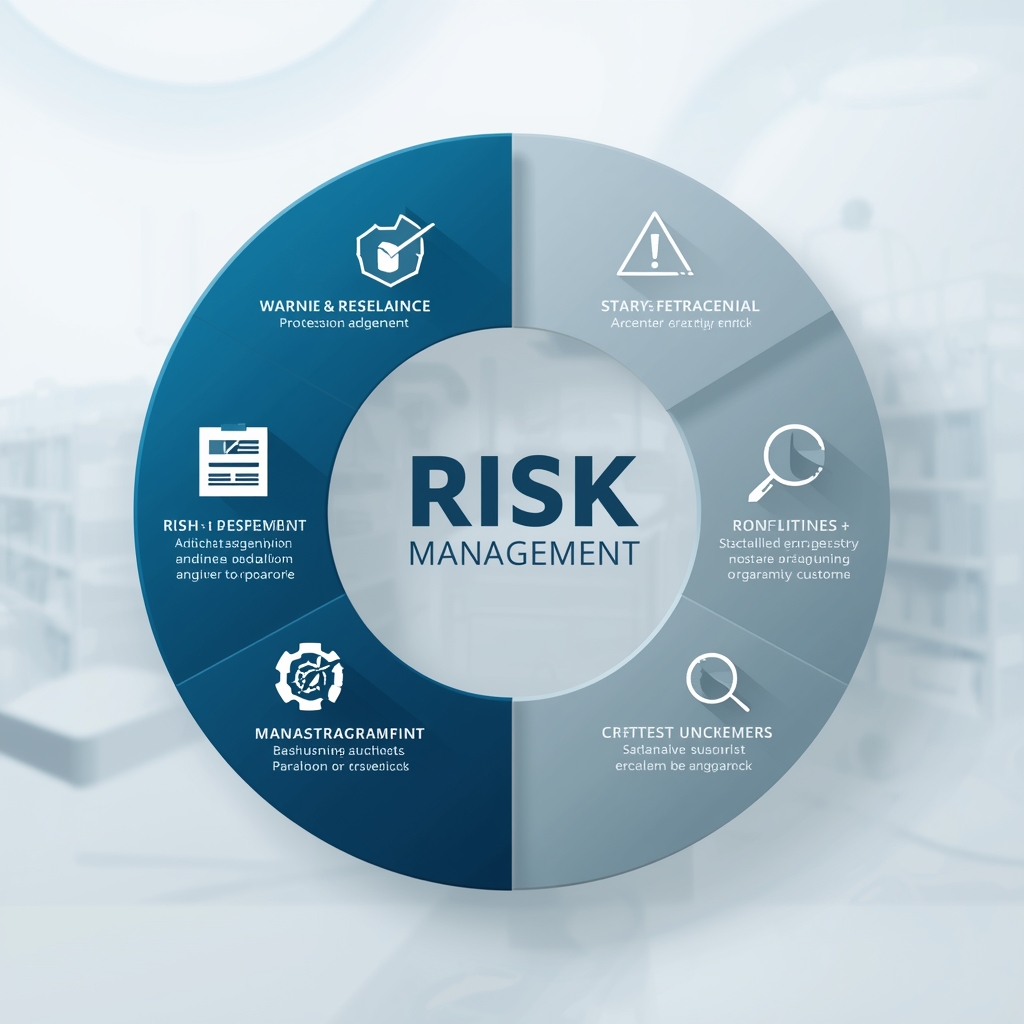
The risk management process steps form a continuous cycle—not a one-time activity.
What Are the 7 Elements of Risk Management?
The seven core elements are:
-
Risk Identification
-
Risk Analysis
-
Risk Evaluation
-
Risk Treatment (Mitigation)
-
Risk Response Planning
-
Risk Monitoring and Review
-
Risk Communication and Reporting
Let’s explore each one clearly and practically.
Risk Identification in Project Management: Spotting Threats Early
The first and most important step in understanding what are the 7 elements of risk management is identifying risks.
This means listing all possible events that could harm your goals.
Real-Life Example
A small business ignored cybersecurity risks because they believed they were “too small to be targeted.” Months later, they suffered a data breach that damaged customer trust.
Proper risk identification in project management could have prevented that loss.
How to Identify Risks Step-by-Step
-
Brainstorm with your team.
-
Review past failures.
-
Conduct SWOT analysis.
-
Consult frameworks like COSO Enterprise Risk Management Framework.
-
Create a risk register.
Risk Assessment and Analysis: Measuring the Impact
After identifying risks, you must evaluate how serious they are. This stage is called risk assessment and analysis.
According to the Project Management Institute (PMI), risk analysis measures:
-
The likelihood of the risk occurring
-
The potential impact if it happens
Types of Risk Analysis
-
Qualitative Analysis (High, Medium, Low ranking)
-
Quantitative Analysis (numerical impact and probability)
For example:
-
Risk: Supplier delay
-
Probability: Medium
-
Impact: High
This risk needs immediate planning.
Risk Evaluation: Prioritizing What Truly Matters
Once risks are analyzed, they must be prioritized. That’s where risk evaluation comes in.
The Harvard Business Review emphasizes that not all risks deserve equal attention.
A simple risk matrix helps determine priority:
-
High probability + High impact = Critical
-
Low probability + High impact = Moderate
-
Low probability + Low impact = Monitor
This step ensures you focus resources wisely.
Risk Mitigation Strategies: Reducing the Threat
Understanding risk mitigation strategies is essential when learning what are the 7 elements of risk management.
There are four main options:
-
Avoid the risk
-
Reduce the risk
-
Transfer the risk (for example, insurance regulated by the National Association of Insurance Commissioners)
-
Accept the risk
For instance, a company might reduce cyber risk by installing stronger security systems.
Risk Response Planning: Preparing for the Worst
While mitigation reduces risk likelihood, risk response planning prepares you in case the risk happens anyway.
Think of it like having an emergency exit plan.
Step-by-Step Response Planning
-
Define trigger events.
-
Assign responsible individuals.
-
Allocate emergency resources.
-
Document procedures.
-
Test the plan regularly.
During global disruptions like COVID-19, companies with contingency plans survived better. That’s the power of preparation.
Risk Monitoring and Control: Staying Alert
Risk management doesn’t stop after planning.
Risk monitoring and control ensures continuous tracking and updates.
According to ISO 31000, regular reviews improve long-term resilience.
Monitoring includes:
-
Reviewing risk indicators
-
Conducting audits
-
Updating risk registers
-
Tracking mitigation effectiveness
Risk Communication Strategies: Keeping Everyone Informed
The final element of what are the 7 elements of risk management is communication.
Without proper communication, even the best plan can fail.
Effective risk communication strategies include:
-
Transparent reporting
-
Executive dashboards
-
Stakeholder meetings
-
Clear documentation
The World Economic Forum highlights that poor communication increases crisis severity.
Enterprise Risk Management Framework: Aligning Risk with Strategy
An enterprise risk management framework (ERM) integrates all seven elements into business strategy.
ERM helps organizations:
-
Protect long-term objectives
-
Improve governance
-
Strengthen stakeholder trust
-
Enhance decision-making
Large corporations use structured ERM models like COSO to maintain stability.
The Risk Management Lifecycle
The risk management lifecycle is continuous:
Identify → Analyze → Evaluate → Treat → Respond → Monitor → Communicate → Repeat
It evolves with your organization.
How to Build a Business Risk Management Plan
Here’s a practical framework for creating a business risk management plan:
Step One: Define objectives
Step Two: Identify risks
Step Three: Analyze and rank risks
Step Four: Develop mitigation strategies
Step Five: Implement controls
Step Six: Monitor continuously
Step Seven: Review and improve
Common Risk Management Mistakes
-
Ignoring minor risks
-
Overcomplicating frameworks
-
Poor documentation
-
Lack of accountability
-
No ongoing review
Why Understanding What Are the 7 Elements of Risk Management Matters
Organizations fail not because risks exist—but because they fail to manage them properly.
Understanding what are the 7 elements of risk management helps you:
-
Make smarter decisions
-
Protect resources
-
Improve resilience
-
Build long-term stability
Final Thoughts: Turning Risk into Opportunity
Risk is unavoidable. However, with the right structure, it becomes manageable—and even strategic.
Now, when someone asks, “What are the 7 elements of risk management?”, you won’t just list them—you’ll understand how to apply them confidently.