
Water Conservation: Essential Practices for a Sustainable Future
Water is the lifeblood of our planet. From quenching our thirst to nourishing crops, sustaining wildlife, and powering industries, water touches every aspect of life. Yet, despite its importance, water scarcity is an escalating global issue. Freshwater resources are limited, and with increasing population, climate change, and pollution, conserving water has never been more critical.
This article explores water conservation in depth, detailing techniques, methods, benefits, and actionable strategies for individuals, communities, and agriculture.
Water Conservation Techniques: How to Save Every Drop
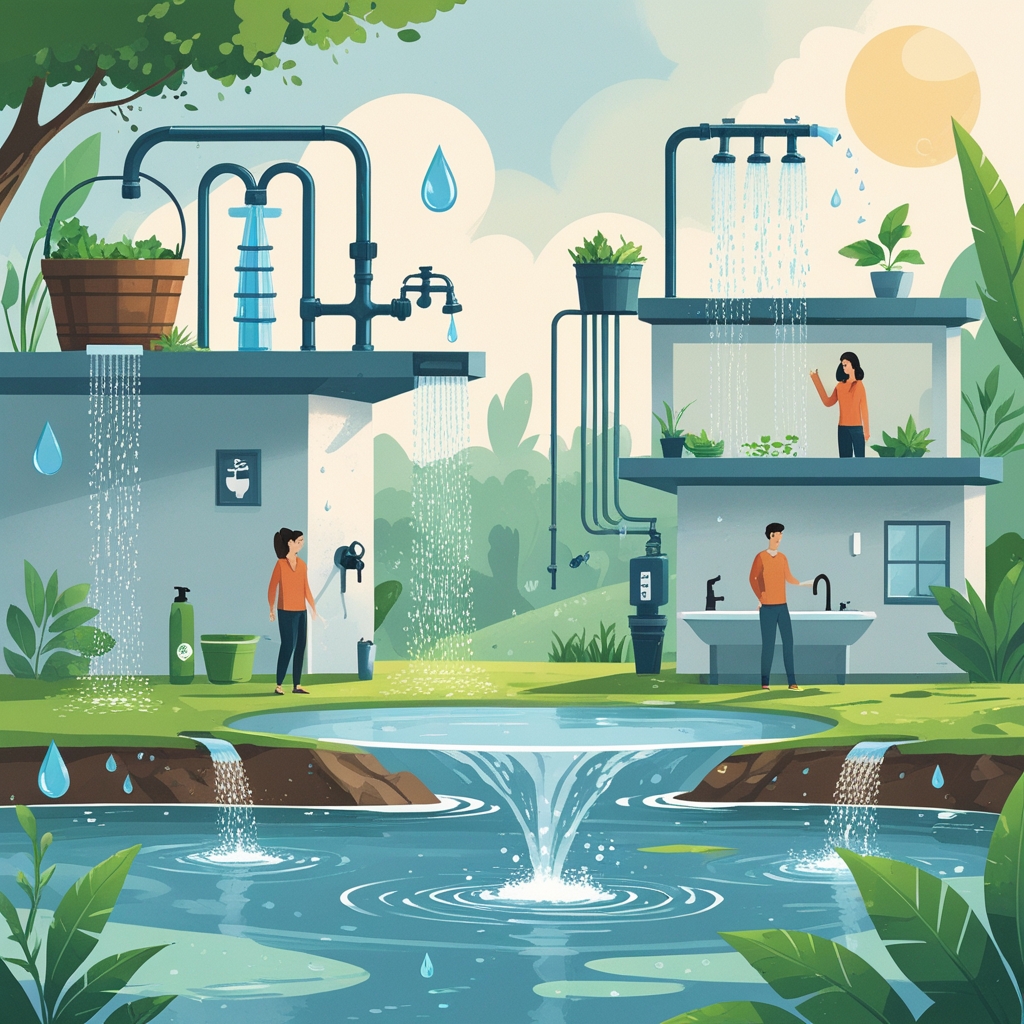
Water conservation techniques are practical strategies to reduce water waste, enhance efficiency, and ensure long-term availability. Whether at home, on the farm, or in industry, these techniques help optimize water usage while protecting the environment.
Household Water Conservation Techniques
-
Fix Leaks Promptly: Even a small dripping tap can waste hundreds of liters annually. Inspect pipes, faucets, and toilets regularly.
-
Install Water-Efficient Fixtures: Low-flow toilets, aerated showerheads, and efficient washing machines save both water and energy.
-
Reuse Greywater: Water from showers or sinks can be used for flushing toilets or watering plants.
Community-Level Techniques
-
Rainwater Harvesting: Collecting rainwater from rooftops and storing it in tanks reduces dependence on freshwater sources.
-
Public Awareness Campaigns: Educating communities about water-saving practices encourages collective action.
Industrial and Municipal Techniques
-
Water Recycling Systems: Factories and plants can treat and reuse wastewater for production processes.
-
Advanced Irrigation Management: Municipal and agricultural systems can adopt smart scheduling, soil moisture sensors, and drip irrigation for optimal water delivery.
Anecdote: In California, many farmers have switched to drip irrigation and soil moisture monitoring, reducing water usage by 40% while maintaining high crop yields.
For more on household water-saving solutions, you can visit EPA’s WaterSense Program.
Water Conservation in Agriculture: Sustainable Farming Practices
Agriculture consumes nearly 70% of global freshwater resources, making water conservation in agriculture crucial for sustainability. Efficient water use ensures that crops receive adequate hydration while minimizing waste.
Key Techniques in Agriculture
-
Drip Irrigation: Delivers water directly to plant roots, reducing evaporation and runoff. This method can improve crop yields while conserving water.
-
Irrigation Scheduling: Using soil moisture sensors, weather data, and crop growth stages, farmers can determine the optimal time and amount of irrigation.
-
Dry Farming: Relies on natural rainfall and stored soil moisture, especially in arid regions.
-
Rotational Grazing: Moving livestock systematically allows pasture recovery, enhances soil water retention, and reduces erosion.
-
Drought-Resistant Crops: Cultivating crops suited to local climate reduces water dependency.
Anecdote: In India’s Maharashtra region, farmers adopting dry farming methods for sorghum have managed to produce consistent yields during drought years without excessive irrigation.
Learn more about sustainable agriculture techniques at FAO: Water Management in Agriculture.
Water Conservation Methods: Household and Industrial Applications
Water conservation methods are approaches that individuals and industries can implement to reduce water waste and improve efficiency.
Household Methods
-
Shorter Showers: Reducing shower time by even 2-3 minutes can save hundreds of liters monthly.
-
Efficient Dishwashing: Use dishwashers only when full or wash by hand in a basin instead of running water continuously.
-
Smart Gardening: Water plants early in the morning or late evening to minimize evaporation.
Industrial Methods
-
Closed-Loop Water Systems: Factories reuse water multiple times before discharge.
-
Process Optimization: Redesigning industrial operations to require less water without compromising output.
-
Leak Detection and Maintenance: Regular checks prevent significant water losses.
Step-by-Step Guide:
Identify water-intensive processes.
Audit current water usage.
Implement water-efficient appliances or machinery.
Monitor consumption continuously.
Adjust processes based on efficiency data.
Water Conservation Benefits: Environmental, Economic, and Social Impact
Understanding the water conservation benefits motivates action. These advantages extend beyond the environment to social and economic spheres.
Environmental Benefits
-
Preserves Ecosystems: Maintaining freshwater ecosystems like wetlands and rivers supports biodiversity.
-
Reduces Pollution: Lower water usage decreases runoff, reducing pollutants entering waterways.
Economic Benefits
-
Cost Savings: Reduced water consumption translates to lower utility bills for households and industries.
-
Energy Savings: Less energy is required to treat, pump, and heat water, contributing to climate change mitigation.
Social Benefits
-
Improves Food Security: Efficient water use in agriculture ensures crop stability.
-
Enhances Public Health: Conserved water is often cleaner, reducing waterborne diseases.
Anecdote: In Cape Town, South Africa, strict water-saving campaigns during the 2018 drought helped residents reduce daily water use from 150 liters to under 50 liters per person, preventing severe water shortages.
Read more on the global impact of water conservation at UN Water.
Water Conservation Strategies: Global and Local Implementation
Water conservation strategies involve coordinated efforts by governments, businesses, and communities to ensure sustainable water use.
Global Strategies
-
Policy and Regulation: Governments enforce water-saving standards and regulate water-intensive industries.
-
International Collaboration: Sharing technologies and best practices across countries to manage water resources efficiently.
Local Strategies
-
Community Rainwater Projects: Building reservoirs and promoting rainwater collection in urban areas.
-
Educational Campaigns: Schools and local organizations teach water-saving practices.
Technological innovation is central to these strategies, with sensors, automation, and IoT systems optimizing irrigation, monitoring water networks, and reducing waste.
Water Conservation Practices: Step-by-Step Guide for Individuals and Communities
Implementing water conservation practices doesn’t have to be complicated. Here’s a clear guide for everyday application:
-
Audit Your Water Use: Identify areas where water is wasted in your home or workplace.
-
Fix Leaks Promptly: Dripping faucets and leaking pipes are easy wins for saving water.
-
Install Water-Efficient Fixtures: Upgrade to low-flow appliances and irrigation systems.
-
Harvest Rainwater: Collect and store rainwater for gardening or household needs.
-
Use Greywater: Repurpose lightly used water for non-drinking purposes.
-
Plant Drought-Resistant Plants: Reduce irrigation requirements for gardens and landscaping.
-
Educate and Advocate: Share knowledge with family, friends, and community members.
By following these steps, individuals and communities can significantly reduce their water footprint while promoting sustainability.
Conclusion
Water conservation is no longer optional—it is essential for human survival, environmental sustainability, and economic stability. From household techniques to agricultural practices, and from industrial efficiency to global strategies, there are countless ways to save water.
By understanding and adopting water conservation methods, we can protect freshwater resources, ensure sustainable food production, preserve ecosystems, and mitigate climate change. Every drop saved counts—and with collective action, a sustainable and water-secure future is within reach.
Final Note: Start today by implementing just one new water conservation practice, and inspire others to join the movement. Together, small actions lead to significant impact.