
Types of Ecosystems: Understanding the Diversity of Life on Earth
Have you ever stood by the ocean, feeling the salty wind brush against your face, or walked through a dense forest where every sound feels alive? Those moments are more than just beautiful — they’re your introduction to the fascinating world of ecosystems.
An ecosystem is a community of living things—plants, animals, and microorganisms—interacting with their non-living surroundings like air, water, and soil. These interactions create a delicate balance that keeps our planet thriving. From the lush rainforests of the Amazon to the frozen tundras of the Arctic, ecosystems shape how life survives, evolves, and coexists.
Let’s explore the types of ecosystems, understand what makes each one unique, and discover some real-world examples that highlight Earth’s incredible diversity.
Different Ecosystems on Land
Forest Ecosystems
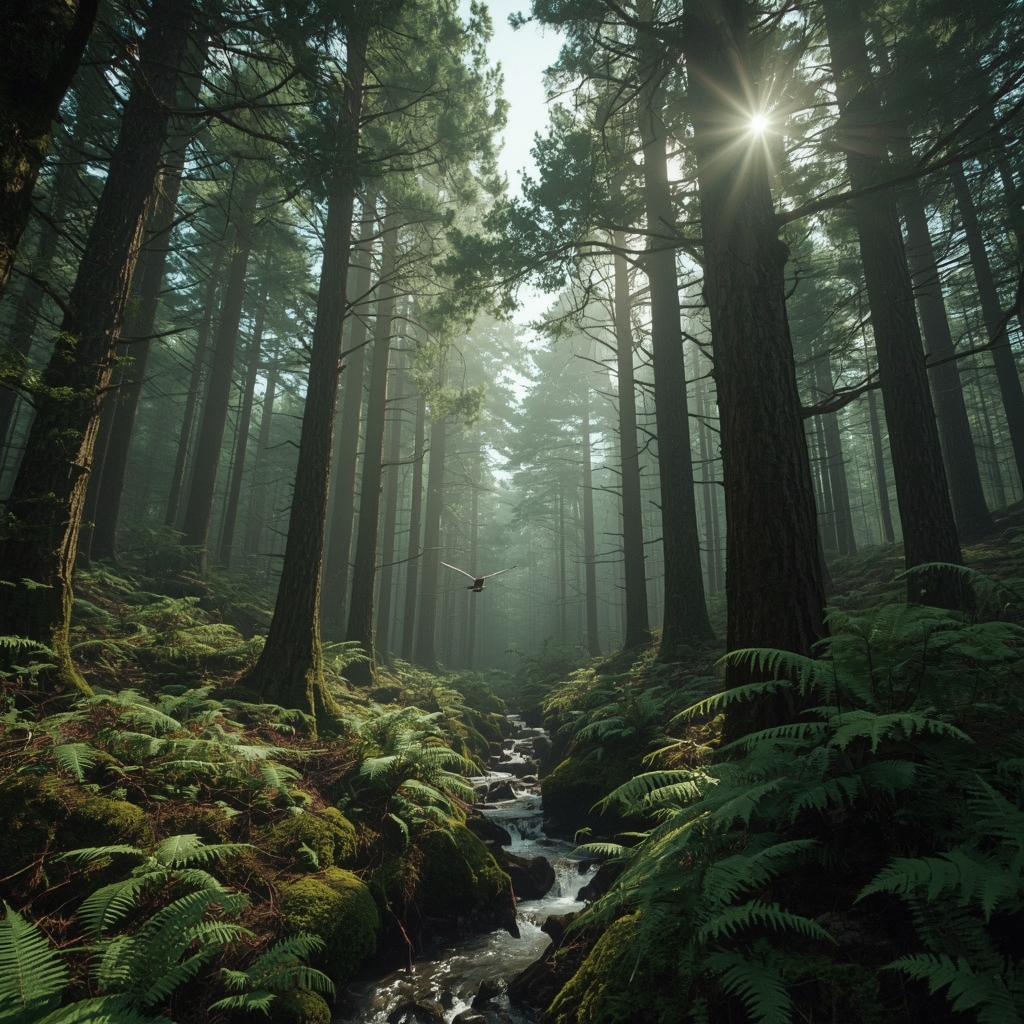
When you think of a forest, you might imagine tall trees, chirping birds, and the smell of rain-soaked earth. Forests are among the most complex and vital terrestrial ecosystems, covering about 30% of Earth’s land area (WWF).
There are several types of forests—tropical rainforests, temperate forests, and boreal forests (also called taiga). Each plays a critical role in regulating our climate by absorbing carbon dioxide and releasing oxygen.
In the Amazon Rainforest, for instance, thousands of species coexist in a single hectare. Scientists often call it the “lungs of the planet” because it produces around 20% of the world’s oxygen. Walking under its thick canopy, one can feel life pulsing in every direction — from the hum of insects to the calls of exotic birds.
Anecdote:
When conservationist Jane Goodall first studied chimpanzees in the African forests, she discovered not only the intelligence of the species but also how forests shape behaviors, diets, and survival. Her work showed how interconnected humans and forests truly are — a lesson in harmony we can all learn from.
Learn more about forests on National Geographic.
Grassland Ecosystems
Grasslands, also known as savannas or prairies, stretch across continents like golden oceans. Unlike forests, they’re dominated by grasses instead of tall trees. These ecosystems are home to incredible wildlife — from African elephants and zebras to North American bison and prairie dogs.
Grasslands play a major role in agriculture and are often referred to as the breadbaskets of the world because they support crops like wheat and corn. However, overgrazing and human expansion threaten their natural balance.
You can explore more about grasslands through Britannica’s guide to grassland ecosystems.
Desert Ecosystems
Imagine a place where temperatures swing from scorching heat during the day to freezing cold at night. That’s the desert ecosystem — harsh, dry, yet full of life. Deserts receive less than 25 centimeters of rainfall per year, but species like camels, snakes, and cacti have evolved to survive in these extreme conditions.
A surprising ecosystem example is the Atacama Desert in Chile, often called the driest place on Earth. Yet, after rare rainfall, the desert blooms with colorful wildflowers, showing nature’s resilience.
Learn more about desert biodiversity from National Geographic’s desert resource.
Tundra Ecosystems
If you travel far north or south, you’ll reach the tundra — a cold, treeless region where the ground remains frozen most of the year. Despite the harsh conditions, the tundra is home to unique animals like polar bears, caribou, and arctic foxes.
These regions act like a giant mirror, reflecting sunlight and helping regulate the planet’s temperature. Unfortunately, due to climate change, melting permafrost threatens to release large amounts of methane into the atmosphere — a reminder that every ecosystem affects the global balance.
Explore more at UNEP’s Arctic Ecosystem overview.
Aquatic Ecosystems: Life Beneath the Surface
Water covers about 71% of Earth’s surface, and aquatic ecosystems are divided into freshwater and marine systems. Let’s dive into both — quite literally.
Freshwater Ecosystems
Freshwater ecosystems include rivers, lakes, ponds, and wetlands. They may only cover about 3% of Earth’s surface, but they’re home to nearly 10% of all known species (Britannica).
Rivers like the Amazon or Nile are lifelines for civilizations. They provide water for drinking, irrigation, and industry. Meanwhile, wetlands act as natural filters, trapping pollutants and preventing floods — they’re like the Earth’s kidneys.
Anecdote:
In Bangladesh, villagers have adapted to seasonal floods by building floating gardens — agricultural plots made of water hyacinths. It’s a brilliant example of how people live with nature rather than against it.
Marine Ecosystems
Covering nearly three-quarters of our planet, marine ecosystems are the largest and most diverse. Oceans not only regulate global climate but also produce over half of Earth’s oxygen. Coral reefs, mangroves, and deep-sea vents all fall under this category.
Coral reefs, often called the rainforests of the sea, support a quarter of all marine life. The Great Barrier Reef in Australia is the world’s largest coral system — visible even from space. Unfortunately, due to warming oceans, coral bleaching threatens their survival.
Dive deeper into marine life through WWF’s marine ecosystems page.
Ecosystem Examples from Around the World
Let’s explore a few real-world ecosystem examples that show the planet’s vast diversity:
-
The Amazon Rainforest (South America) – A tropical paradise that holds more than 10% of all known species.
-
The Great Barrier Reef (Australia) – The world’s largest coral ecosystem, crucial for marine biodiversity.
-
The Serengeti Plains (Africa) – A grassland ecosystem famous for its annual wildebeest migration.
-
The Sahara Desert (Africa) – The largest hot desert on Earth, home to resilient species like fennec foxes and addax antelopes.
-
The Arctic Tundra (North Pole) – A frozen yet vital ecosystem that supports polar bears and acts as Earth’s climate regulator.
Each of these systems tells a story of survival, adaptation, and balance. To learn more, explore National Geographic’s guide to Earth’s ecosystems.
Human Impact on Different Ecosystems
Humans have transformed landscapes for centuries — from deforestation to urbanization. While some development is necessary, it’s also caused pollution, habitat loss, and climate change, which threaten the natural balance.
Plastic pollution, for instance, has turned parts of our oceans into floating dumps. According to UNEP, nearly 11 million tonnes of plastic enter oceans each year, harming marine life and altering ecosystems.
Yet, it’s not all bad news. Conservation efforts — such as reforestation, sustainable fishing, and renewable energy — are helping to restore damaged ecosystems. Initiatives like the UN Decade on Ecosystem Restoration aim to revive natural habitats globally by 2030. Learn more through UNEP’s restoration campaign.
How We Can Protect Ecosystems
Protecting ecosystems starts with awareness and small, consistent actions. Here’s a simple, step-by-step approach anyone can follow:
-
Reduce waste – Choose reusable items and recycle whenever possible.
-
Support conservation projects – Donate or volunteer with groups like WWF.
-
Plant native trees – Help restore local biodiversity in your community.
-
Adopt sustainable habits – Conserve water, use clean energy, and limit plastic use.
-
Educate others – Share what you learn about different ecosystems and inspire change.
Each of these steps, though small, contributes to a bigger ripple effect — just as every organism contributes to its ecosystem.
Conclusion: A Shared Home for All
Understanding the types of ecosystems helps us appreciate the intricate web of life that sustains our planet. Whether it’s a drop of water in a pond or a vast desert stretching beyond the horizon, each ecosystem has a story — one that connects us all.
Next time you walk in a park, swim in a lake, or hear the rustle of leaves in the wind, remember — you’re part of this living system too. Protecting it means protecting ourselves, our future, and the only home we’ve ever known — Earth.
Learn more about global ecosystem diversity and conservation at WWF, UNEP, and National Geographic.