
Green Technology Solutions for Homes USA: A Complete Homeowner’s Guide to Smarter, Cleaner Living
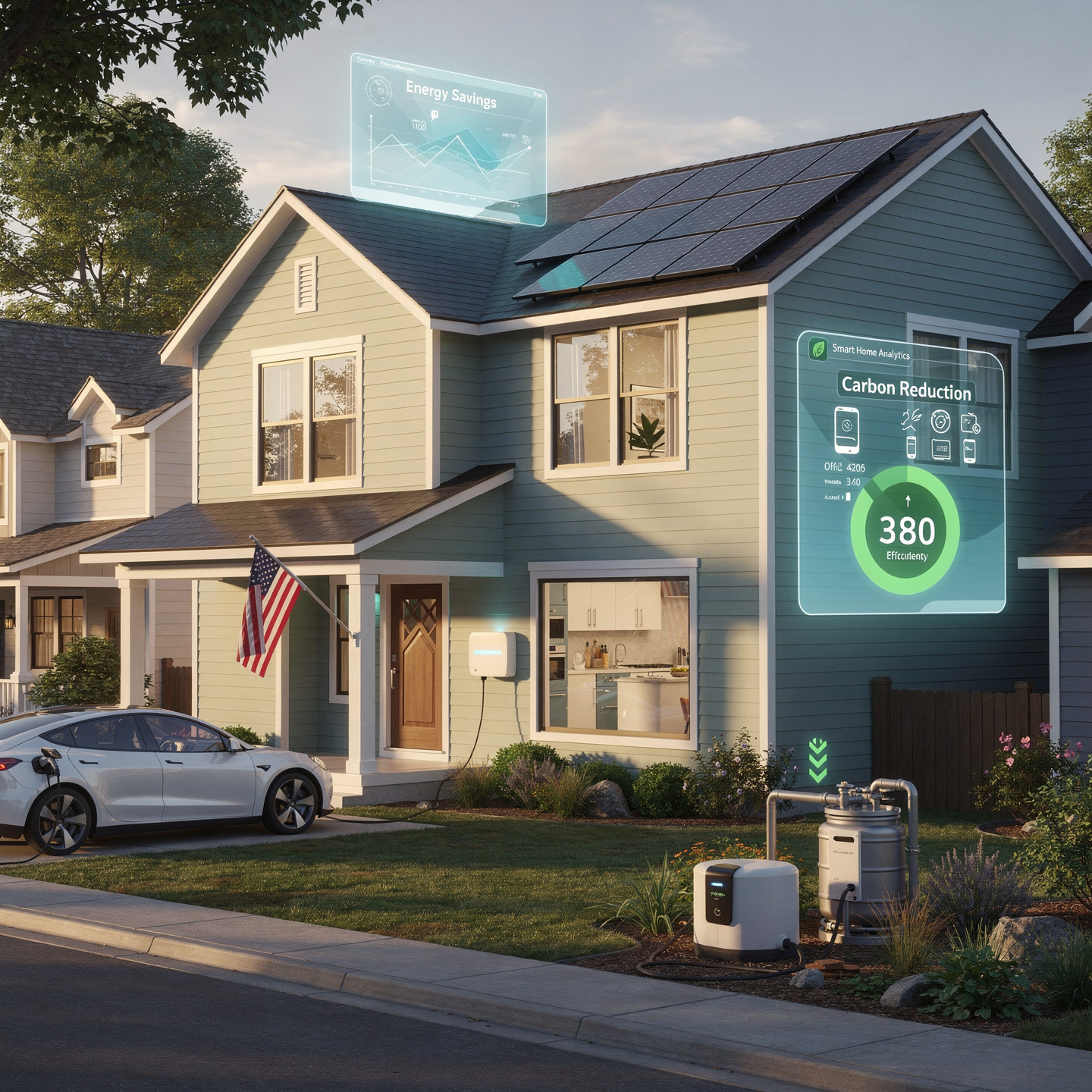
As concerns about climate change grow and energy bills continue rising, more Americans are looking for ways to make their homes efficient, eco-friendly, and future-ready. This is where green technology solutions for homes USA come in. These technologies help reduce waste, save energy, protect the environment, and cut household expenses — all while improving comfort and home value.
Today, sustainable home upgrades are no longer luxury add-ons. Instead, they are practical choices for families wanting cleaner living spaces and long-term savings.
This extensive guide breaks down the best green technology solutions for homes USA with simple explanations, anecdotes, and a step-by-step plan for implementation.
Why Green Technology Matters for Modern American Homes
Green technology simply means smart solutions that reduce environmental harm. These include clean energy, water-saving tools, smart automation, and sustainable materials.
Why the demand is rising:
-
Utility bills continue increasing (see U.S. Energy Information Administration).
-
Weather extremes — heatwaves, storms, droughts — are now common (NOAA Climate Data).
-
Homeowners want to lower their carbon footprint.
-
The Federal Energy-Efficient Home Improvement Credit makes upgrades more affordable.
A quick anecdote:
A family in North Carolina shared how combining solar panels with a smart thermostat cut their electric bill from $280 to $110 per month — without changing their daily routine.
1. Solar Power: The Most Popular Green Technology for Homes USA
Solar energy remains one of the most effective clean-energy home upgrades.
Learn more:
Solar power in the United States – Wikipedia
Energy.gov Solar Basics
Benefits of Solar Panels
-
Lower electricity bills
-
Higher property value
-
Protection during grid outages
-
Long-term stability (panels last 25–30 years)
2. Energy-Efficient Appliances
Old appliances waste significant energy. Upgrading to ENERGY STAR® certified appliances lowers consumption by up to 50%.
Why It Matters
Daily-use machines — washing machines, refrigerators, AC units — consume power constantly. Modern models use advanced motors, compressors, and sensors that drastically reduce waste.
A Real Story:
A homeowner in Texas replaced her 18-year-old AC with an efficient model. Her summer bill dropped from $420 to $265.
3. Smart Home Automation
Smart home devices are one of the easiest ways to reduce household energy usage.
Examples:
-
Smart lighting systems
-
Smart water heaters
-
Home energy monitors
These devices adjust energy use based on your habits.
4. Rainwater Harvesting
Rainwater harvesting helps conserve water, especially in drought-prone states like California and Texas.
Learn more:
Rainwater systems collect and store water for gardening, cleaning, and outdoor use — saving thousands of gallons yearly.
5. Food Composting Systems
Food waste contributes massively to landfill methane emissions.
Helpful resource:
EPA: Reducing Wasted Food at Home
Modern composters transform kitchen scraps into usable fertilizer quickly and cleanly.
Anecdote:
A Florida family said their children became “eco-warriors” after getting a countertop composter — they loved turning leftovers into garden soil.
6. Home Insulation & Smart HVAC
Insulation isn’t flashy, but it’s one of the most powerful green technology solutions for homes USA.
Learn more:
Home Insulation – Energy.gov Guide
Why it works:
Proper insulation reduces heat loss by up to 30%.
Smart HVAC systems
Modern high-efficiency HVAC systems use sensors and variable-speed motors to reduce energy waste.
7. Eco-Friendly Building Materials
Renovating? Choose sustainable materials such as:
-
Recycled steel
-
Reclaimed wood
-
Eco-friendly cement
These materials improve indoor air quality and reduce environmental impact.
8. Home EV Charging Stations
As electric vehicles grow in popularity, home charging stations are becoming a key home upgrade.
Learn more:
Alternative Fuels Data Center: Residential EV Charging
Benefits:
-
Fast charging
-
Convenience
-
Increased home value
9. Smart Leak Detection
The U.S. wastes over 1 trillion gallons of water annually through leaks.
Learn more:
Smart leak sensors send instant alerts, preventing water damage and saving thousands in repairs.
10. Sustainable Landscaping
Healthy outdoor spaces reduce water waste and improve biodiversity.
Learn more:
Native Plants – National Wildlife Federation
Permeable Pavement – EPA
Eco-friendly landscape practices include:
-
Choosing native plants
-
Installing permeable paving
-
Adding drip irrigation
Step-by-Step Guide to Implementing Green Technology Solutions for Homes USA
Step 1: Start With an Energy Audit
Energy Audit Guide – Energy.gov
This identifies where your home wastes the most energy.
Step 2: Prioritize Upgrades
Start with:
-
Smart thermostats
-
LED lighting
-
Weather stripping
-
Basic rainwater barrels
Step 3: Research Incentives
Federal, state, and utility incentives can reduce costs by 30–50%.
Useful resource:
Database of State Incentives for Renewables & Efficiency (DSIRE)
Step 4: Create a Long-Term Sustainability Plan
Adopt 1–2 upgrades every 3–6 months to stay within budget.
Step 5: Track Your Home’s Usage
Smart meters, utility dashboards, and home energy monitors show the impact of your upgrades over time.
Anecdote: Small Change, Big Impact
A family in Colorado installed just one smart thermostat, and within a year, saved nearly $380 on heating and cooling. Encouraged by this success, they added solar panels the following year — saving an additional $1,800 annually.
Benefits of Green Technology Solutions for Homes USA
-
Lower energy and water bills
-
Higher property value
-
Better air quality
-
Less maintenance
-
Protection during outages
-
Reduced environmental footprint
Green technology is not simply “eco-friendly” — it’s practical, economical, and future-proof.
Final Thoughts
Whether you’re installing solar panels, upgrading your HVAC, or simply adding smart home devices, each improvement moves you closer to a cleaner, healthier, more affordable lifestyle.
You don’t need to renovate everything at once. Start with one change. Build over time. Let sustainability grow with your home.