
The Science of Human Sleep: Why We Need Rest (7 Essential Facts You Must Know)
Have you ever pulled an all-nighter and felt like a zombie the next day? Your brain foggy, your body dragging, and your emotions all over the place? That’s your body screaming for sleep—one of the most essential functions we perform every single day. Yet, despite spending roughly a third of our lives asleep, many of us still treat rest as optional.
Here’s the truth: sleep isn’t a luxury. It’s a biological necessity, as critical to our survival as food and water. The science of human sleep reveals that while we’re tucked under the covers, our bodies and brains are incredibly busy performing vital tasks that keep us healthy, sharp, and emotionally balanced.
In this guide, we’ll explore everything you need to know about the science of human sleep, what happens when you don’t get enough rest, and how you can improve your sleep quality starting tonight.
Understanding the Science of Human Sleep: Why Rest Matters
For decades, scientists thought sleep was just a passive state—a time when the body shut down to recharge. However, modern research tells a completely different story. According to experts at Johns Hopkins Medicine, sleep is actually an active period during which the brain engages in numerous activities that are essential to life itself.
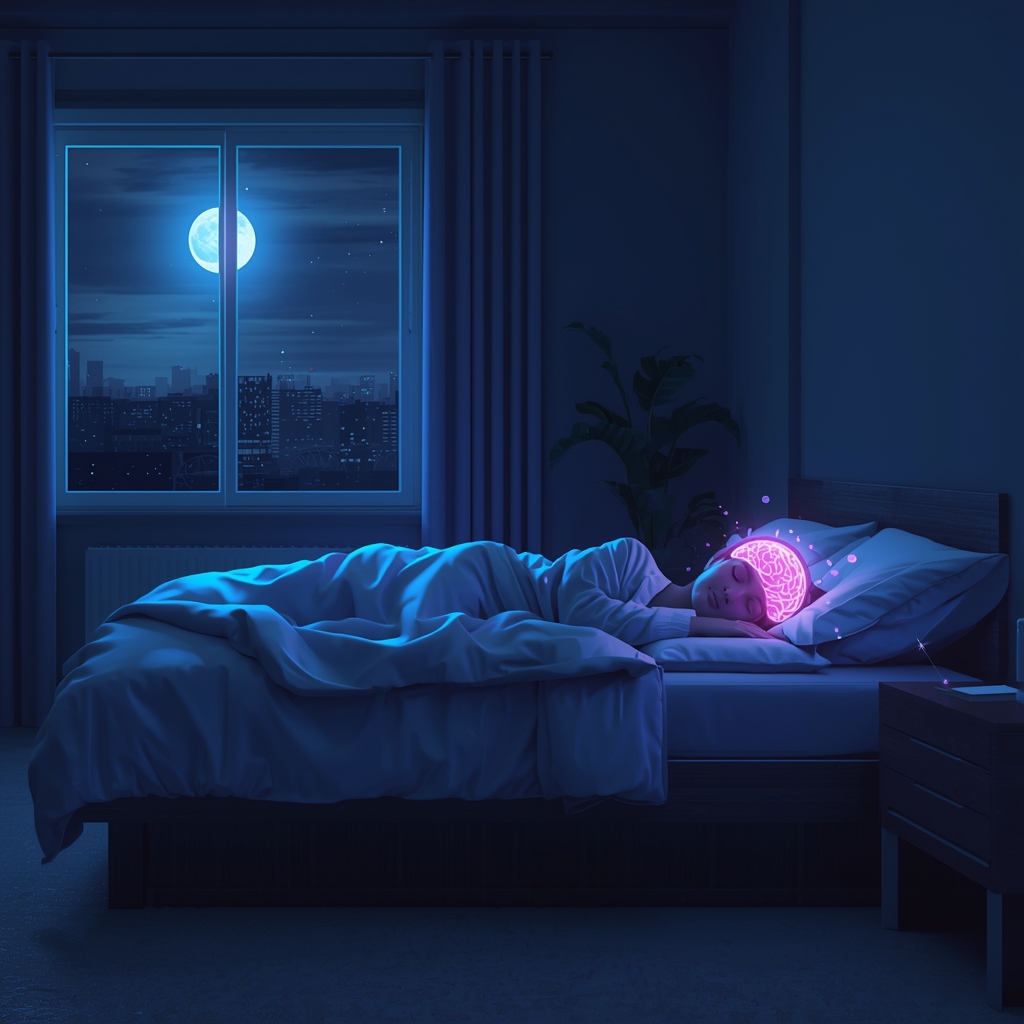
Think of sleep as your body’s maintenance crew working the night shift. While you’re unconscious, this crew is busy repairing damaged cells, consolidating memories, regulating hormones, and clearing out toxins that accumulated during the day. Without this nightly maintenance, your body and mind simply can’t function properly. Understanding the science of human sleep helps us appreciate why rest is so crucial.
Sleep serves several critical purposes:
- Learning and memory consolidation: Your brain processes and stores information
- Emotional regulation: Sleep helps you manage stress and maintain balance
- Physical restoration: Your body repairs tissues and strengthens your immune system
- Metabolic health: Sleep regulates hormones that control hunger and blood sugar
- Cardiovascular health: Your heart gets the rest it needs to function optimally
The Sleep Cycle: Breaking Down the Science of Human Sleep
Your night of sleep isn’t one continuous state. Instead, your brain cycles through distinct stages of sleep, each serving unique purposes. According to sleep researchers, a typical sleep cycle lasts about 90 to 120 minutes, and you’ll go through four to five cycles each night. This is a fundamental aspect of the science of human sleep.
Stage 1: Light Sleep (N1)
This transition phase between wakefulness and sleep typically lasts just a few minutes. Your heartbeat, breathing, and eye movements slow down, and you might experience that strange sensation of falling that jolts you awake.
Stage 2: Deeper Light Sleep (N2)
You spend about half your night here. Your body temperature drops, and your brain waves slow down with occasional bursts of rapid activity called sleep spindles. Scientists believe these spindles play a crucial role in memory consolidation and learning.
Stage 3: Deep Sleep (N3)
Often called slow-wave sleep, this is where the real magic happens. During deep sleep:
- Your blood pressure drops
- Your breathing becomes slower and rhythmic
- Blood flow to your muscles increases
- Your body releases growth hormone for tissue repair
- Your immune system strengthens
It’s very difficult to wake someone during deep sleep. If you do wake up during this stage, you’ll feel groggy and disoriented—a state researchers call “sleep inertia.”
Stage 4: REM Sleep
REM sleep (Rapid Eye Movement) is the stage most associated with vivid dreaming. During REM sleep, your eyes move rapidly behind closed eyelids, your brain activity increases dramatically, and your body becomes temporarily paralyzed so you don’t act out your dreams.
REM sleep is crucial for emotional processing, memory consolidation, creativity, and problem-solving. As the night progresses, you spend less time in deep sleep and more time in REM sleep, which is why dreams are often more vivid in the early morning.
The Science of Human Sleep: How Your Body Controls Rest
Two fundamental systems regulate sleep: your circadian rhythm and your sleep drive. Understanding these mechanisms is central to the science of human sleep.
Your Internal Clock: Circadian Rhythm
Your circadian rhythm is like an internal 24-hour clock cycling between sleepiness and alertness. This biological clock is primarily influenced by light exposure. When your eyes detect light, they send signals to your brain to suppress melatonin, the hormone that makes you feel sleepy.
As evening approaches and light fades, your brain ramps up melatonin production, making you drowsy. This is why experts recommend getting bright light exposure in the morning and dimming lights in the evening—it helps keep your circadian rhythm synchronized with the natural day-night cycle.
Your Sleep Drive: The Pressure to Rest
The second system is your sleep drive. Think of it like hunger—the longer you go without sleep, the stronger your urge to sleep becomes. Throughout the day, your body accumulates a chemical called adenosine in your brain, creating increasing sleep pressure. When you finally sleep, your brain clears out this adenosine, and you wake up refreshed.
Interestingly, caffeine works by blocking adenosine receptors, temporarily making you feel alert. However, once the caffeine wears off, all that accumulated adenosine hits you at once, leading to the infamous “caffeine crash.”
Why We Need Rest: The Science of Human Sleep and Health Benefits
The benefits of sleep are so extensive that sleep deprivation has been linked to virtually every major health problem. The science of human sleep demonstrates how critical rest is for survival.
The Science of Human Sleep and Brain Function
Your brain is incredibly active during sleep, performing essential maintenance that can’t happen when you’re awake. Sleep is vital for “brain plasticity“—the brain’s ability to adapt and reorganize itself.
When you sleep, your brain consolidates memories, clears out toxins through the glymphatic system, strengthens neural connections, and processes emotions. This is why “sleeping on it” often helps with difficult decisions.
Without adequate rest, you’ll notice problems with focus, concentration, decision-making, problem-solving, creativity, and reaction time.
Physical Health and the Science of Human Sleep
During rest, your body focuses energy on repair and restoration. During deep sleep, your heart rate and blood pressure drop, giving your cardiovascular system a much-needed break. People who consistently get less than seven hours of sleep have significantly higher risks of heart disease, stroke, and high blood pressure.
Sleep and your immune system are intimately connected. During rest, your body produces cytokines—proteins that help fight infection. Research shows that people who don’t get enough sleep are more susceptible to common illnesses and take longer to recover.
Just one night of missed sleep can create a pre-diabetic state in an otherwise healthy person. Sleep deprivation disrupts hunger hormones, often leading to increased appetite and cravings. This is one reason why chronic sleep loss is strongly linked to obesity and type 2 diabetes.
Mental Health: A Key Aspect of the Science of Human Sleep
The relationship between sleep and mental health is bidirectional. Sleep deprivation significantly increases the risk of depression, anxiety, mood disorders, and cognitive decline. Conversely, getting adequate rest improves emotional resilience, stress management, social interactions, and overall life satisfaction.
The Dangers of Ignoring the Science of Human Sleep
Even after just one poor night of sleep, you’ll experience impaired cognitive function (similar to being legally drunk), mood swings, reduced reaction time, poor decision-making, and increased accident risk. Drowsy driving causes thousands of deaths annually.
Chronic sleep loss—consistently getting less than seven hours per night—increases your risk of cardiovascular disease, metabolic disorders, mental health conditions, weakened immunity, and shortened lifespan. According to research in the Journal of Clinical Sleep Medicine, adults who consistently sleep less than seven hours have measurably worse health outcomes.
How Much Rest Does the Science of Human Sleep Recommend?
According to the National Sleep Foundation, here are the recommended amounts based on the science of human sleep:
- Infants (4-12 months): 12-16 hours
- Toddlers (1-2 years): 11-14 hours
- Preschoolers (3-5 years): 10-13 hours
- School-age children (6-12 years): 9-12 hours
- Teenagers (13-18 years): 8-10 hours
- Adults (18+ years): 7-9 hours
The key is paying attention to how you feel. If you’re regularly tired during the day, struggling to concentrate, or relying on caffeine to get through, you probably need more rest.
Sleep Disorders: When the Science of Human Sleep Goes Wrong
Sometimes, despite your best efforts, getting good sleep remains elusive due to a sleep disorder. Understanding these conditions is an important part of the science of human sleep.
Sleep apnea is one of the most common and dangerous disorders. It occurs when your breathing repeatedly stops and starts during sleep. Warning signs include loud snoring, gasping for air, morning headaches, and excessive daytime sleepiness. If left untreated, sleep apnea significantly increases the risk of heart disease and stroke. The good news is that CPAP therapy is highly effective.
Insomnia—difficulty falling asleep or staying asleep—affects roughly 30% of adults. Other common disorders include restless leg syndrome and narcolepsy.
If you suspect you have a sleep disorder, consult a healthcare provider or visit a sleep clinic for proper diagnosis and treatment.
Applying the Science of Human Sleep: Your Step-by-Step Guide to Better Rest
Step 1: Establish a Consistent Sleep Schedule
Your body thrives on routine. Going to bed and waking up at the same time every day—even on weekends—helps regulate your circadian rhythm. Choose a bedtime that allows for at least 7-8 hours of sleep and stick to this schedule for at least two weeks. This aligns with core principles of the science of human sleep.
Step 2: Create a Sleep-Friendly Environment
Your bedroom should be a sanctuary for rest. Keep your bedroom temperature between 60-67°F (15-19°C), use blackout curtains to block light, minimize noise with earplugs or white noise, invest in a comfortable mattress, and remove electronics from the bedroom.
Step 3: Develop a Relaxing Bedtime Routine
Start a calming routine 30-60 minutes before bed. Choose relaxing activities like reading, gentle stretching, meditation, or a warm bath. Avoid screens during this time and practice relaxation techniques like deep breathing.
Step 4: Watch What You Eat and Drink
Avoid caffeine after 2 PM, limit alcohol in the evening, don’t eat heavy meals within 2-3 hours of bedtime, and stay hydrated throughout the day while reducing fluid intake before bed.
Step 5: Get Regular Exercise and Manage Stress
Aim for at least 20-30 minutes of moderate exercise most days, preferably earlier in the day. Practice mindfulness meditation, try journaling before bed, and consider cognitive behavioral therapy for insomnia (CBT-I) if anxiety regularly interferes with sleep. For more tips on improving your sleep hygiene, explore evidence-based strategies.
Step 6: Get Strategic Light Exposure
Get bright light exposure, preferably sunlight, within 30 minutes of waking. Spend time outside during the day, dim lights in the evening, and keep your bedroom completely dark.
The Bottom Line: The Science of Human Sleep Proves Rest Is Not Optional
The science of human sleep makes one thing crystal clear: rest is not a luxury. It’s a fundamental biological necessity that impacts every aspect of your health, from brain function and immune system to emotional wellbeing and longevity.
Think of sleep as an investment in yourself. Those 7-9 hours you spend in bed aren’t wasted time—they’re when your body and brain perform essential maintenance that keeps you functioning at your best. The science of human sleep continues to reveal just how powerful this nightly ritual is for human survival.
Start tonight. Make one small change from this guide. Maybe it’s setting a consistent bedtime, creating a relaxing pre-sleep routine, or finally addressing that potential sleep disorder you’ve been ignoring. Your body will thank you, your mind will be sharper, and you’ll have more energy to pursue what truly matters in life.
After all, you can’t pour from an empty cup—and sleep is how you refill yours every single night.