
How to Build an Emergency Fund With a Limited Income — A Simple, Real-Life Guide Anyone Can Follow
How to Build an Emergency Fund With a Limited Income may sound unrealistic at first. If you’re barely covering rent, groceries, transport, and bills, saving money can feel like something only “rich people” do. However, the truth is simple: emergency funds are not for people with extra money — they’re for people who cannot afford surprises.
A broken phone, an unexpected medical bill, a delayed paycheck, or a car repair can push someone with a limited income straight into debt. That’s why learning how to build an emergency fund with a limited income is one of the most important financial skills you can develop.
This guide explains everything in plain, everyday language, using real examples, step-by-step actions, and practical strategies that work even when money is tight.
How to Build an Emergency Fund With a Limited Income: What It Really Means
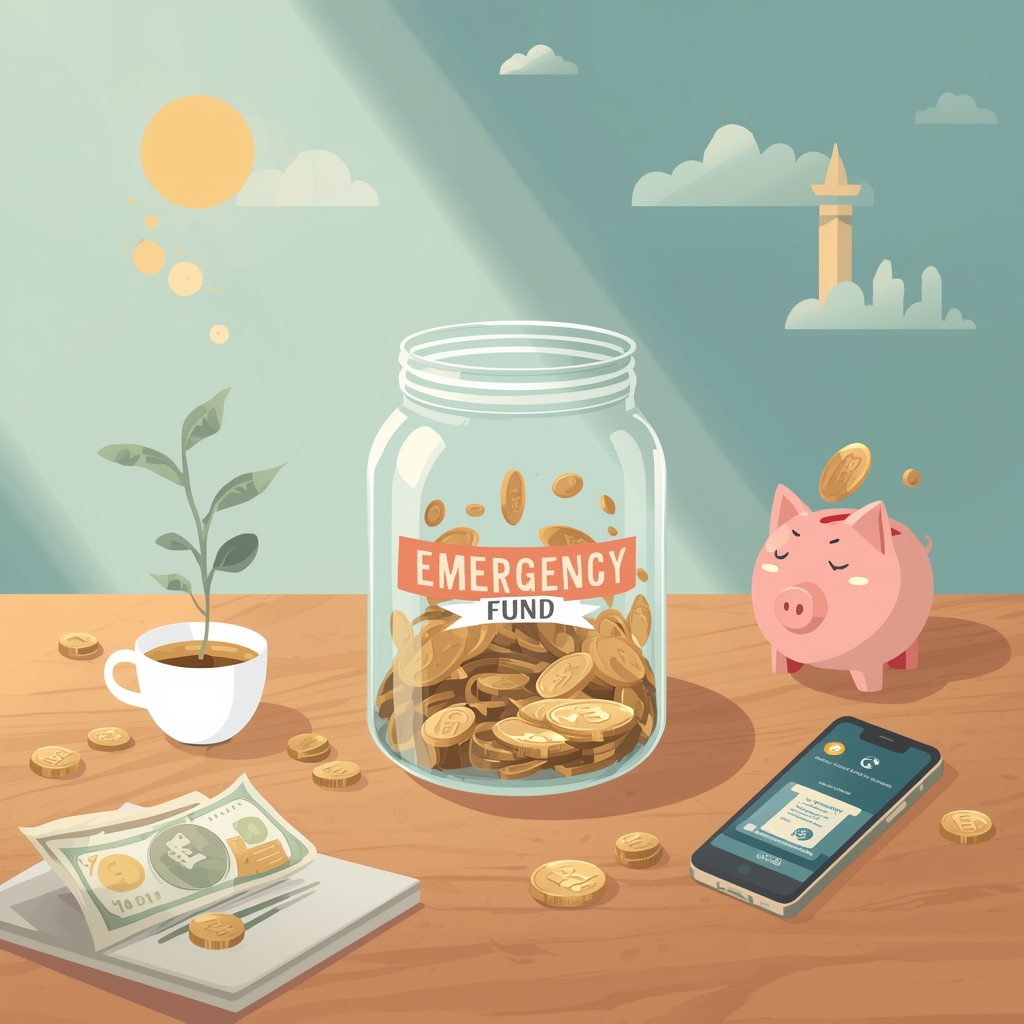
An emergency fund is money set aside only for unexpected expenses. Nothing fancy. No investing. No risk.
It exists so you don’t have to:
-
Rely on credit cards
-
Borrow from friends or family
-
Take high-interest loans
-
Drain retirement savings
According to the Federal Reserve, nearly 40% of adults struggle to cover a $400 emergency without borrowing. That’s not because people are careless — it’s because emergencies don’t wait for income to increase.
How to build an emergency fund with a limited income starts with one mindset shift:
You don’t save after life becomes stable — you save so life doesn’t fall apart when it isn’t.
Source:
https://www.federalreserve.gov/consumerscommunities/shed.htm
Why Building an Emergency Fund on a Low Income Matters More (Not Less)
When you earn less, every financial shock hits harder.
Consider this real-life example.
Sara worked retail and lived paycheck to paycheck. When her phone broke, she had no savings. She used a credit card “just this once.” Six months later, interest turned a small problem into long-term debt.
Now compare that with Ali, a delivery driver who saved just $10 a week. When his bike needed repairs, he paid cash. No stress. No debt.
Same income level. Completely different outcome.
That’s why how to build an emergency fund with a limited income is not optional — it’s protection.
How Much Emergency Fund Do You Need With Limited Income
How Much Emergency Savings Do You Need on a Low Income
You’ve probably heard the rule: save three to six months of expenses. While that’s a good long-term goal, it’s overwhelming when you’re starting out.
A better approach is step-by-step:
-
First goal: $250
-
Second goal: $500
-
Third goal: one month of essential expenses
-
Long-term goal: three to six months of expenses
Even a small emergency fund reduces stress and prevents debt, according to Investopedia.
Source:
https://www.investopedia.com/terms/e/emergency_fund.asp
Progress matters more than perfection.
How to Build an Emergency Fund With a Limited Income: Step-by-Step Guide
What Counts as a Financial Emergency on a Low Income
An emergency includes:
-
Medical bills
-
Job loss or delayed income
-
Car or phone repairs needed for work
-
Urgent home repairs
-
Family emergencies
Not emergencies:
-
Shopping sales
-
Eating out
-
Upgrading gadgets
-
Vacations
Setting clear rules protects your savings.
Helpful guide:
https://www.consumerfinance.gov/about-us/blog/emergency-savings/
Track Expenses on a Limited Income (Without Fancy Budgets)
You don’t need apps or spreadsheets.
For one month:
-
Write down every expense
-
Separate needs from wants
-
Identify money leaks
Common leaks include:
-
Subscriptions
-
Daily snacks or drinks
-
Delivery fees
-
Impulse purchases
Saving just $3–$5 a day can free up $90–$150 per month.
Save Money With a Low Income by Starting Small
Saving small amounts works because it’s realistic.
Examples:
-
$1 a day = $365 a year
-
$5 a day = $1,825 a year
-
$10 a week = $520 a year
Consistency beats amount every time.
Automatic Savings for Low-Income Earners
Automation removes temptation.
Options include:
-
Automatic bank transfers
-
Splitting paychecks through your employer
-
Weekly manual transfers
If automation isn’t possible, treat saving like a mandatory bill.
Source:
https://www.nerdwallet.com/article/banking/emergency-fund
Use Windfalls to Build Emergency Savings Faster
Windfalls include:
-
Tax refunds
-
Bonuses
-
Cash gifts
-
Cashback rewards
Rule of thumb: save at least 50% of unexpected money.
Tax-time savings tips:
https://www.irs.gov/refunds
Best Place to Keep Emergency Fund With Low Income
Your emergency fund should be:
-
Safe
-
Easy to access
-
Separate from spending money
Best options:
-
High-yield savings accounts
-
Credit union savings accounts
-
Money market accounts
Avoid:
-
Stocks
-
Cryptocurrency
-
Long-term CDs
Savings accounts insured by the FDIC protect deposits up to $250,000.
Source:
https://www.fdic.gov/resources/deposit-insurance/
Emergency Fund vs Debt on Low Income
A common question is whether to save or pay debt.
Recommended order:
-
Build a small emergency fund ($500–$1,000)
-
Pay minimums on debt
-
Grow emergency savings
-
Aggressively pay off debt
Without savings, every emergency creates new debt.
When to Use Emergency Savings
Use your emergency fund when:
-
The expense is urgent
-
It protects your health or income
-
You cannot delay payment
After using it:
-
Rebuild slowly
-
Don’t feel guilty
-
That’s what it’s for
Source:
https://www.apa.org/topics/stress/money
Real Example: Emergency Fund on a Very Low Income
Ahmed earned minimum wage and saved:
-
$20 per paycheck
-
$5 from side gigs
-
$50 from a tax refund
After one year, he had $1,200.
When his laptop broke — which he used for freelance work — he paid cash and kept earning.
That’s how building an emergency fund with a limited income changes outcomes.
Common Mistakes to Avoid
-
Waiting to earn more
-
Trying to save too much too fast
-
Keeping savings too accessible
-
Using emergency funds for wants
-
Giving up after setbacks
Progress is better than quitting.
Staying Motivated While Saving on Low Income
Tips that help:
-
Track milestones visually
-
Celebrate small wins
-
Rename your savings account
-
Focus on peace, not numbers
Motivation resource:
https://www.psychologytoday.com/us/basics/motivation
Final Thoughts: How to Build an Emergency Fund With a Limited Income Is a Skill
How to Build an Emergency Fund With a Limited Income is not about earning more. It’s about habits, protection, and consistency.
You don’t need:
-
A high salary
-
Perfect budgeting
-
Financial expertise
You need:
-
Small steps
-
Patience
-
Consistency
Start today — even if it’s $1.