
Gold Trading: Understanding How to Trade Gold and Profit from Market Movements
Gold has always fascinated humanity — from the days of ancient empires to today’s modern markets. Gold trading remains one of the most popular ways to preserve and grow wealth, especially when global economies seem uncertain. But what exactly is gold trading, how does it work, and how can everyday investors participate?
In this comprehensive guide, you’ll learn how gold trading operates, the factors that move gold prices, and practical steps for trading gold online — whether through futures, options, spot markets, or ETFs.
What Is Gold Trading?
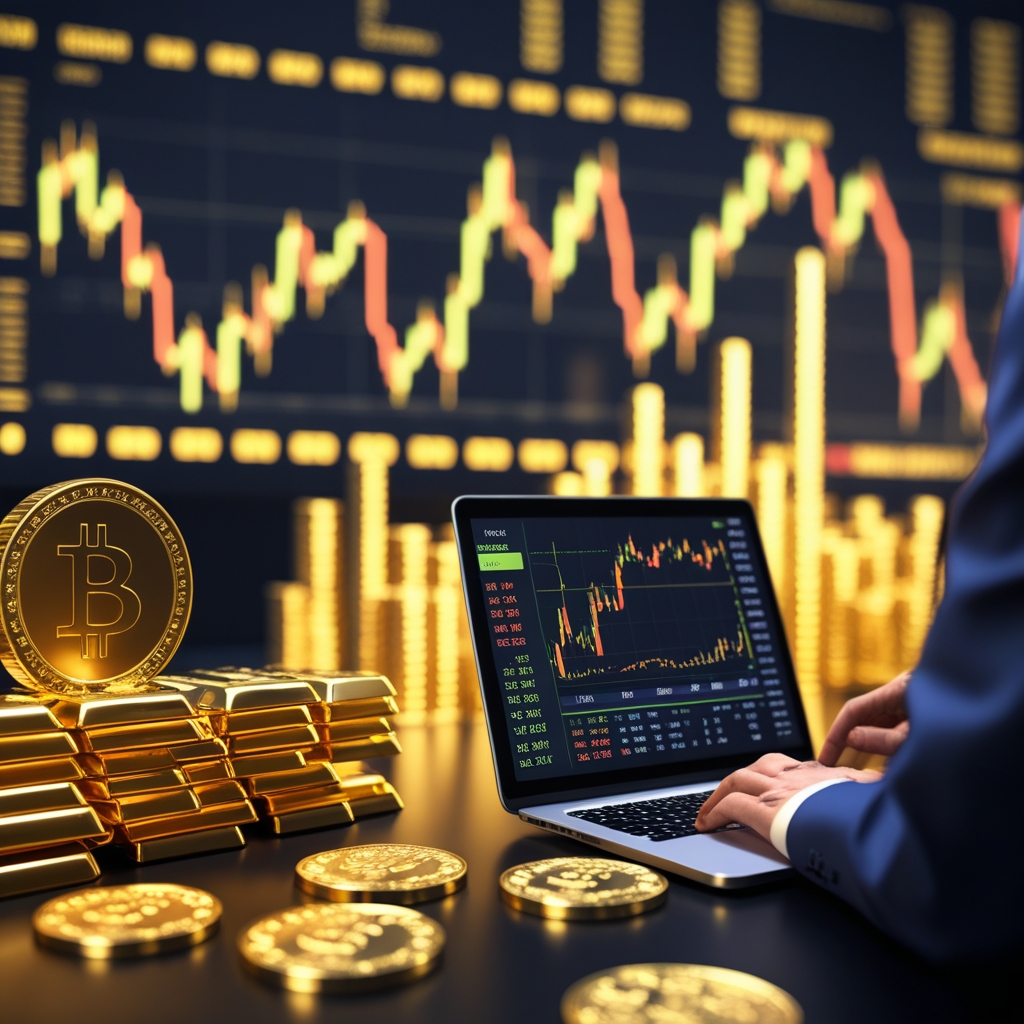
Gold trading is the practice of buying and selling gold — not necessarily the physical metal itself, but rather financial instruments that track gold’s value. Instead of carrying gold bars or coins, traders usually speculate on price changes through contracts or funds.
People trade gold for several reasons:
-
To profit from price fluctuations
-
To hedge against inflation
-
To protect wealth during times of political or economic instability
Unlike traditional investing, gold trading allows you to go long or short. That means you can profit whether the price of gold rises or falls — as long as your prediction is correct.
Here’s a quick story.
When the global economy faced turbulence in 2008, a trader named Alex shifted his focus from volatile stocks to gold trading. By shorting gold during minor dips and going long when inflation fears peaked, Alex managed to grow his capital while others faced losses. This anecdote captures why gold is often seen as a “safe haven” asset — it tends to hold or increase its value when markets falter.
Why Trade Gold Instead of Currencies or Stocks?
Choosing between forex trading and gold trading depends on your goals and risk appetite. While forex trading involves buying and selling global currencies, gold represents a tangible store of value with centuries of trust behind it.
| Feature | Gold Trading | Forex Trading |
|---|---|---|
| Volatility | Moderate | High |
| Purpose | Hedge or preserve wealth | Speculate on currency value |
| Market Hours | Nearly 24/7 | 24/5 |
| Popular With | Long-term investors | Day traders |
In short, gold trading is often preferred by investors seeking stability, whereas forex attracts those chasing short-term profits.
What Moves Gold Prices?
Like any asset, gold prices move due to supply and demand, but several unique factors play a role too.
1. Economic and Political Uncertainty
When global markets face uncertainty — wars, elections, or recessions — investors often turn to gold as a safe haven. Historically, during times like the 2008 Financial Crisis or COVID-19 pandemic, gold prices surged as people sought safety from unstable currencies.
2. Inflation and Interest Rates
Gold is known as a hedge against inflation. When inflation rises and purchasing power falls, gold prices usually increase. Conversely, when central banks raise interest rates, the appeal of gold may decline as investors shift toward yield-bearing assets.
3. The US Dollar
Since gold is priced in US dollars, any change in the USD Index impacts its value. A weaker dollar typically makes gold cheaper for foreign investors, pushing prices higher — and vice versa.
4. Industrial and Jewelry Demand
Gold isn’t just for investment — it’s widely used in electronics, dentistry, and jewelry. These industries maintain a steady base demand that influences prices globally.
5. Gold Supply and Mining
The world’s gold supply is finite. New gold mining discoveries can temporarily increase supply and lower prices, while reduced mining activity can create scarcity and push prices higher.
How to Start Gold Trading: A Step-by-Step Guide
If you’re new to gold trading, the process can seem overwhelming at first. But with the right strategy, anyone can learn to trade gold confidently.
Step 1: Open a Trading Account
Start by opening an account with a regulated online broker that offers access to gold markets. Many brokers provide demo accounts, letting you practice trading with virtual funds before risking real money.
Step 2: Choose Your Gold Market
You can trade gold through several instruments, each with unique advantages. Let’s explore the main options.
Gold Futures: Trading on Price Agreements
Gold futures are contracts to buy or sell gold at a predetermined price on a future date. These contracts are mainly traded on exchanges like COMEX and the Shanghai Gold Exchange.
Each futures contract represents 100 troy ounces of gold. For instance, if you buy a contract at $2,000 per ounce and the price rises to $2,050, your profit would be $5,000. However, if prices fall, losses can be equally steep — so proper risk management is essential.
Futures appeal to experienced traders because they offer leverage, allowing you to control a large position with relatively little capital. However, leverage magnifies both profits and losses.
Gold Options: Flexibility Without Obligation
Gold options give traders the right — but not the obligation — to buy (call option) or sell (put option) gold at a set price before a specific date.
If you believe gold’s price will rise, you can buy a call option; if you think it will fall, buy a put option. The beauty of options trading is that your maximum loss is limited to the premium you pay, while your profit potential is theoretically unlimited.
Imagine Sarah, a part-time trader. She buys a call option for gold at $1,900 per ounce, paying a $50 premium. When gold hits $2,000, her option is worth $100 — doubling her investment while risking only the premium.
Gold Spot Prices: Trading in Real Time
Gold spot trading refers to buying or selling gold at its current market price rather than at a future date. This is ideal for short-term traders who want immediate exposure to price movements.
Spot trades are often executed via Contracts for Difference (CFDs) or spread betting platforms, allowing traders to speculate on gold without owning the physical asset. You can open and close positions within minutes or hold them as long as you want — though overnight funding fees may apply.
Gold Stocks and ETFs: Indirect Exposure
If you prefer a more traditional approach, consider gold ETFs or gold mining stocks.
-
Gold stocks represent companies engaged in exploration and production, such as Newmont Corporation, Barrick Gold, and Franco-Nevada. These stocks tend to rise when gold prices increase.
-
Gold ETFs (like SPDR Gold Trust) track gold’s value and can be traded like regular stocks. For example, if gold is priced at $2,000, the ETF might trade around $200 per share.
ETFs are an excellent choice for beginners because they provide exposure to gold’s price without needing to trade contracts or manage leverage.
Strategies for Successful Gold Trading
Success in gold trading comes from discipline, planning, and a clear understanding of the market. Here are a few proven strategies:
1. Follow Economic Indicators
Keep an eye on CPI data, Federal Reserve meetings, and geopolitical news. These events directly affect investor sentiment toward gold.
2. Use Technical Analysis
Chart patterns, support and resistance levels, and momentum indicators like RSI or MACD can help identify optimal entry and exit points.
3. Manage Risk with Stop-Loss Orders
Always set a stop-loss to limit potential losses. Successful traders often risk only 1–2% of their capital on a single trade.
4. Diversify Your Portfolio
Don’t rely solely on gold. Combine precious metals, forex, and stocks to balance risk and opportunity.
The Future of Gold Trading
Gold remains one of the world’s most trusted and valuable assets. As global markets evolve and new technologies like AI-driven trading emerge, the way we trade gold is changing. Yet, one thing stays constant — gold’s role as a timeless store of value.
In an era where digital currencies and market volatility dominate headlines, gold continues to shine as a symbol of stability and trust.
Final Thoughts
Gold trading isn’t just for institutional investors — anyone with the right knowledge and risk strategy can benefit from it. By understanding the factors that drive gold prices and using the right trading tools, you can navigate this market with confidence.
Whether you’re trading futures, options, or ETFs, remember: patience, discipline, and education are your greatest assets.