
Commercial Waste Services: A Complete Global Guide to Responsible Waste Management
In today’s rapidly industrializing world, commercial waste services play a crucial role in keeping our cities clean, our businesses compliant, and our planet sustainable. Whether you run a small café, manage a large manufacturing unit, or oversee multiple offices across regions, understanding how to handle commercial waste responsibly is vital.
This guide explores everything you need to know—from waste collection and waste disposal methods to the growing importance of recycling services in a globalized, eco-conscious economy.
Understanding Commercial Waste Services
At its core, commercial waste refers to any waste produced by businesses, industries, or institutions. It’s different from household waste because it often includes bulk materials, hazardous chemicals, construction debris, packaging, and food waste.
Commercial Waste Services encompass every stage of this process—from collection and transportation to treatment, recycling, and final disposal.
These services are provided by specialized companies that work under strict environmental regulations such as those set by the United Nations Environment Programme (UNEP) or national bodies like the U.S. Environmental Protection Agency (EPA) and the European Environment Agency (EEA).
Why Commercial Waste Services Matter
Proper waste management is more than just a compliance issue—it’s a moral and operational responsibility. Imagine a bustling city without structured waste collection: overflowing bins, toxic odors, contaminated groundwater, and health hazards. Now multiply that chaos by thousands of commercial establishments.
According to the World Bank’s “What a Waste” report, the world generates over 2 billion tonnes of solid waste annually, and nearly one-third of it isn’t managed in an environmentally safe manner. That’s why efficient commercial waste management is not just good practice—it’s essential for global sustainability.
Anecdote: In Singapore, a local restaurant chain reduced its monthly waste volume by 40% simply by partnering with a professional waste disposal service that implemented smart sorting and recycling systems. The change not only saved money but also helped the business win a national sustainability award.
Types of Commercial Waste
Understanding what kinds of waste your business produces is the first step in building an effective management plan.
1. General Waste
Includes everyday items like paper, packaging, and non-recyclable materials. Most offices and retail stores generate large quantities of this category.
2. Food Waste
Restaurants, hotels, and food manufacturers produce vast amounts of organic waste. Many recycling services now turn food waste into compost or biofuel through anaerobic digestion.
3. Construction and Demolition Waste
This includes debris such as concrete, metal, wood, and bricks. Specialized construction waste disposal companies recycle these materials into new building supplies.
4. Hazardous Waste
Generated by industries like pharmaceuticals, automotive, and energy, hazardous waste must be handled under strict safety protocols. Substances such as solvents, paints, and heavy metals require certified disposal facilities to prevent contamination.
5. Clinical Waste
Produced by hospitals and laboratories, this includes items like syringes, PPE, and human tissue. Medical waste management firms use sterilization or incineration to ensure safe disposal.
Waste Collection: The Foundation of Commercial Waste Services
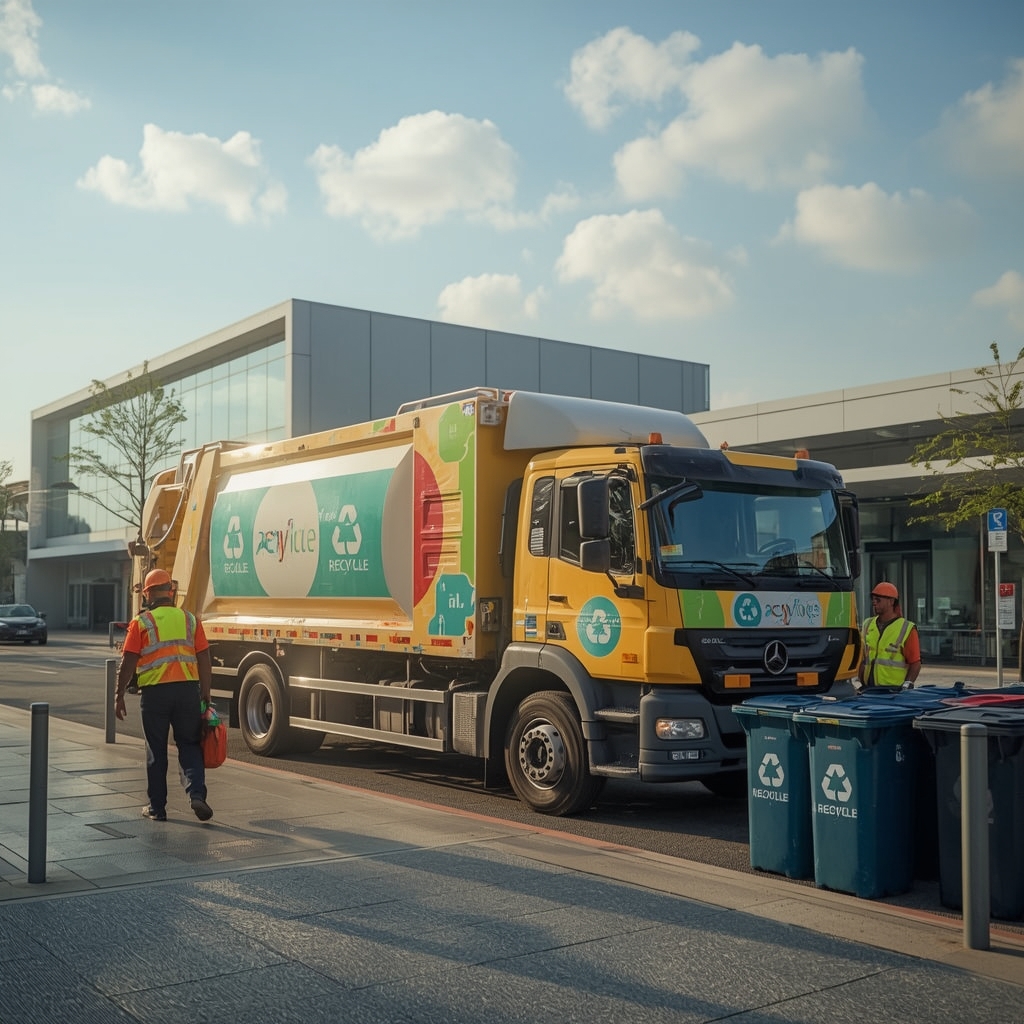
Effective waste collection is the backbone of every successful waste management system. Whether done daily, weekly, or on-demand, it ensures that waste doesn’t accumulate or become a health hazard.
Steps in the Commercial Waste Collection Process:
-
Segregation at Source – Businesses separate recyclable, non-recyclable, and hazardous materials using color-coded bins.
-
Scheduled Pickups – Waste collection trucks arrive according to a pre-arranged schedule.
-
Transportation to Facilities – Waste is transported to recycling plants, composting centers, or landfill sites.
-
Tracking and Compliance – Most modern waste companies use digital tracking to ensure transparency and regulatory compliance.
Tip: Always verify that your service provider holds valid environmental permits and complies with local waste transport laws.
Waste Disposal: From Collection to Final Treatment
Waste disposal is the next step after collection and sorting. It’s where waste undergoes final treatment through recycling, energy recovery, or safe burial.
Common Disposal Methods
-
Landfilling: Still one of the most common methods worldwide. Modern sanitary landfills are engineered to prevent leachate and gas leakage.
-
Incineration: Used for hazardous or clinical waste; it involves burning materials at high temperatures to neutralize toxins.
-
Composting: Organic waste is broken down into nutrient-rich soil, ideal for agricultural reuse.
-
Energy Recovery: Some facilities convert waste into electricity or heat—a method called waste-to-energy (WTE).
Real-World Example: In Sweden, over 50% of household and commercial waste is used for energy recovery, making it one of the most sustainable waste systems globally.
Waste Management: Building a Sustainable Framework
Comprehensive waste management isn’t just about getting rid of garbage—it’s about designing systems that minimize waste generation altogether.
Key Components of Effective Waste Management
-
Waste Audit: Evaluate the types and quantities of waste your business produces.
-
Reduction Strategy: Implement measures to cut waste at the source, like going paperless or optimizing packaging.
-
Recycling Program: Introduce a recycling system for paper, glass, metal, and plastics.
-
Education and Training: Encourage staff participation through awareness programs.
-
Continuous Improvement: Track metrics, review processes, and refine your waste strategy regularly.
Global organizations like the ISO 14001 Environmental Management System provide structured guidelines to help companies improve their environmental performance.
Recycling Services: Turning Waste into Opportunity
Recycling services are the most eco-friendly part of commercial waste operations. They help reduce raw material consumption, save energy, and cut down greenhouse gas emissions.
For instance:
-
Recycling aluminum saves up to 95% of the energy used to produce it from raw ore.
-
Recycling paper can reduce air pollution by up to 70%.
-
Recycling plastic helps prevent ocean contamination and supports a circular economy.
Anecdote: A global beverage company introduced a “Return-a-Bottle” campaign in partnership with local recycling centers, allowing customers to return empty bottles for points. Within a year, 60% of their bottles were being reused or recycled—an inspiring example of corporate responsibility in action.
How to Choose the Right Commercial Waste Service Provider
Selecting the right provider can make all the difference in cost, compliance, and sustainability outcomes. Here’s a simple step-by-step guide:
-
Evaluate Your Needs: Identify what type and quantity of waste you produce.
-
Check Certifications: Ensure the provider is licensed under national or local environmental laws.
-
Review Their Recycling Capabilities: Choose partners that prioritize recycling and sustainable practices.
-
Assess Technology: Look for digital tracking, route optimization, or smart bins for efficiency.
-
Compare Pricing Transparently: Watch out for hidden fees in contracts.
-
Seek References: Read reviews and request case studies from existing clients.
Leading international providers like Republic Services, Veolia, and Waste Management Inc. offer scalable solutions for businesses of all sizes.
The Future of Commercial Waste Services
With technological innovation and stricter environmental laws, the future of commercial waste services looks more data-driven and eco-focused than ever.
Emerging Trends Include:
-
AI-based Sorting Systems that automatically identify recyclable materials.
-
Smart Bins with sensors that notify collection teams when full.
-
Circular Economy Models promoting reuse over disposal.
-
Carbon-Neutral Waste Fleets running on electric or biofuel vehicles.
International collaboration, such as through the Global Alliance for Incinerator Alternatives (GAIA), is also pushing toward zero-waste solutions worldwide.
Conclusion: Rethinking Waste as a Resource
The global shift toward sustainability demands that every business—big or small—take responsibility for its waste. By partnering with trusted commercial waste services, adopting efficient waste collection and recycling services, and following responsible waste disposal practices, companies can not only meet legal requirements but also make a tangible difference in protecting our planet.
In the end, waste isn’t just something to get rid of—it’s something to rethink, reduce, and repurpose.